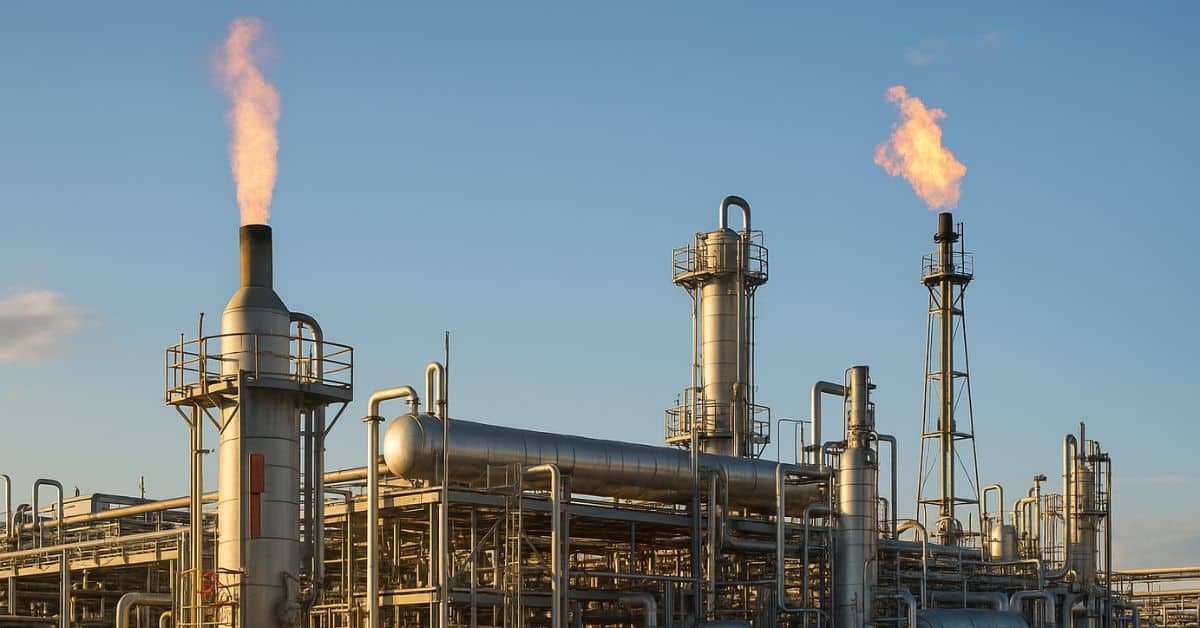
As summer approaches, oil and gas operations face a predictable but often underestimated challenge: changing environmental conditions combined with increased system demand.
Higher ambient temperatures, increased throughput requirements, and extended run times all place additional strain on production systems. While these changes are expected, the way systems respond to them is not always fully accounted for during design or day-to-day operations.
The result is often a gradual decline in performance, reduced efficiency, and in some cases, unplanned downtime.
Understanding how these variables impact your system — and addressing them proactively — can make the difference between stable summer operations and costly disruptions.

How Rising Temperatures Impact System Performance
Ambient temperature plays a larger role in system performance than many operators anticipate.
As temperatures rise, several key processes are affected:
- Gas dehydration efficiency decreases, particularly in glycol systems, where higher temperatures reduce absorption effectiveness
- Cooling systems operate less efficiently, limiting heat exchange capacity
- Vapor pressures increase, affecting separation and stabilization processes
- Combustion systems become less stable, requiring adjustments to maintain proper fuel-air ratios
These effects are not isolated. They compound across the system, often leading to reduced throughput and inconsistent performance. According to the U.S. Department of Energy, thermal efficiency losses in industrial systems can significantly increase operating costs when systems are not optimized for environmental conditions. (Source)
Throughput Increases Reveal System Constraints
In many operations, summer isn’t just about temperature — it’s about increased demand. Higher throughput targets expose limitations that may not be noticeable under normal conditions. Common constraints include:
- Pressure drop across piping and equipment
- Separator capacity limitations
- Heat transfer bottlenecks
- Flow distribution imbalances
These constraints don’t always appear immediately. Instead, they gradually limit system performance as demand increases.
Without proper analysis, operators may attempt to compensate by pushing equipment harder — which can accelerate wear, increase fuel consumption, and reduce overall system efficiency.
This is where process modeling and system analysis become critical.
👉 Learn more about how TPS supports this through Process Modeling & Optimization
The Role of Process Modeling in Preventing Performance Loss
Process modeling allows operators and engineers to simulate system behavior under different operating conditions — including higher temperatures and increased throughput.
Instead of reacting to performance issues in real time, modeling helps identify:
- Where bottlenecks will occur
- How pressure and temperature changes affect system balance
- Whether existing equipment can handle increased demand
- What adjustments will improve efficiency without requiring major capital investment
This proactive approach reduces uncertainty and allows for more informed operational decisions.
In many cases, modeling reveals that performance gains can be achieved through system adjustments rather than new equipment, making it a cost-effective solution for improving output.
Combustion Systems Require Seasonal Adjustment
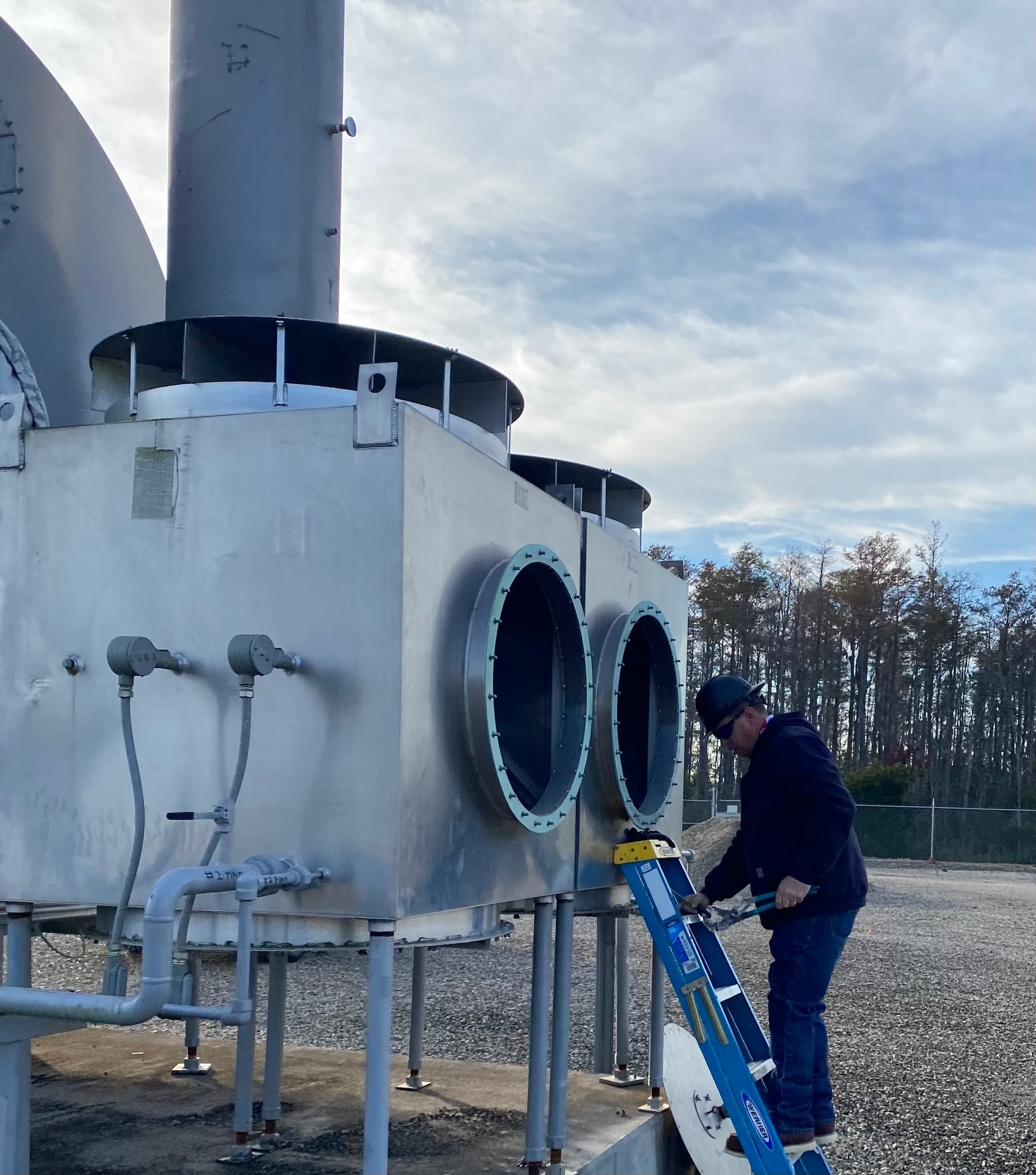
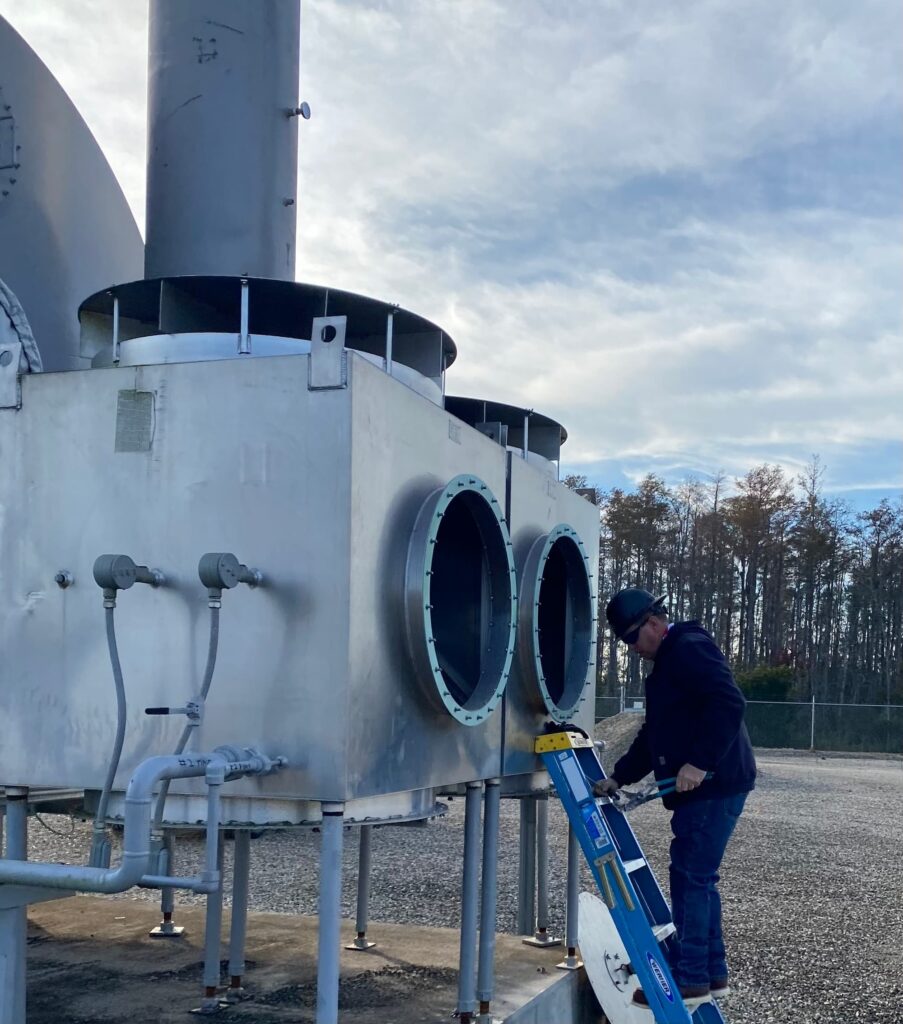
Combustion systems are particularly sensitive to environmental changes.
As temperatures rise, air density decreases — which directly impacts the air-to-fuel ratio required for efficient combustion.
Without adjustment, this can lead to:
- Increased fuel consumption
- Reduced thermal efficiency
- Elevated emissions levels
- Difficulty maintaining compliance standards
Routine combustion tuning and emissions testing ensures systems continue operating within optimal parameters.
The Environmental Protection Agency emphasizes the importance of maintaining combustion efficiency to reduce emissions and improve energy performance.
(Source)
👉 Learn more about TPS services for Combustion Tuning & Emissions Testing:
System Design and Integration Play a Critical Role
Seasonal performance issues often trace back to decisions made during system design.
When systems are designed without accounting for fluctuating operating conditions, they may perform well under baseline scenarios but struggle under peak demand.
Key design considerations include:
- Equipment sizing for variable conditions
- Integration between system components
- Allowances for pressure and temperature variation
- Flexibility for operational adjustments
Addressing these factors early reduces the likelihood of performance issues later.
👉 Explore how TPS approaches this through Consulting & Design
Startup and Commissioning Set the Baseline for Performance
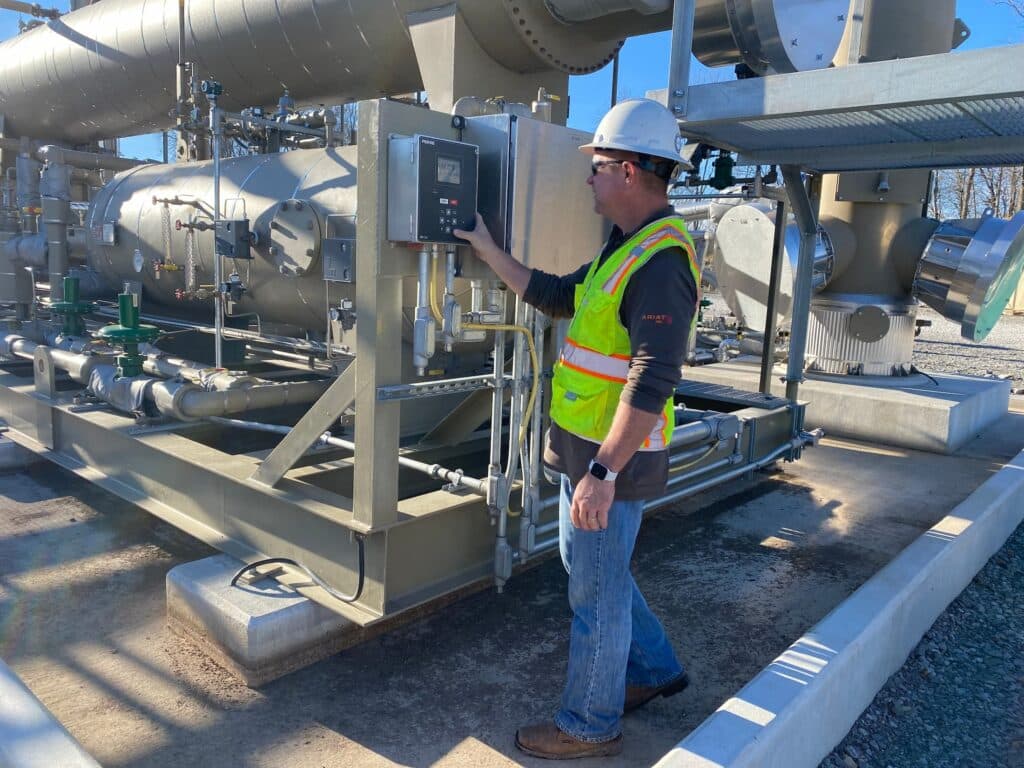
Even well-designed systems can underperform if they are not properly commissioned.
Startup and commissioning ensure that:
- Equipment is operating as intended
- Systems are balanced correctly
- Early-stage issues are identified and resolved
This phase establishes the baseline for how the system will perform under varying conditions — including seasonal changes.
Improper or incomplete commissioning can leave systems vulnerable to inefficiencies that become more apparent under summer operating conditions.
Identifying Hidden Constraints Before They Impact Operations
One of the biggest challenges in preparing for summer operations is identifying constraints that are not immediately visible. These “hidden” issues often include:
- Minor pressure drops that compound across the system
- Small inefficiencies in heat exchange
- Slight imbalances in flow distribution
Individually, these may seem insignificant. Collectively, they can reduce system capacity and stability.
Addressing them proactively allows operations to run more efficiently and with greater reliability.

A Proactive Approach to Summer Readiness
Preparing for summer operations isn’t about reacting to problems — it’s about anticipating them. A proactive strategy includes:
- Evaluating system performance under increased demand
- Identifying potential bottlenecks through modeling
- Adjusting combustion systems for environmental conditions
- Verifying system performance through commissioning and testing
This approach not only improves efficiency but also reduces operational risk and unplanned downtime.
Final Thoughts
Seasonal changes introduce predictable challenges — but their impact on system performance is often underestimated.
Rising temperatures and increased throughput place additional strain on oil and gas systems, exposing limitations in design, operation, and integration. By taking a proactive approach — leveraging process modeling, system optimization, and performance testing — operators can maintain efficiency, improve reliability, and avoid costly disruptions.
In an environment where performance and uptime are critical, preparation is not optional — it’s essential.