Partner with TPS to develop a solution tailored to fit your specific needs.
Together, let’s write the next successful chapter in both of our stories.
TRIR
HOURS WORKED
JOBS DONE
HAPPY CUSTOMERS
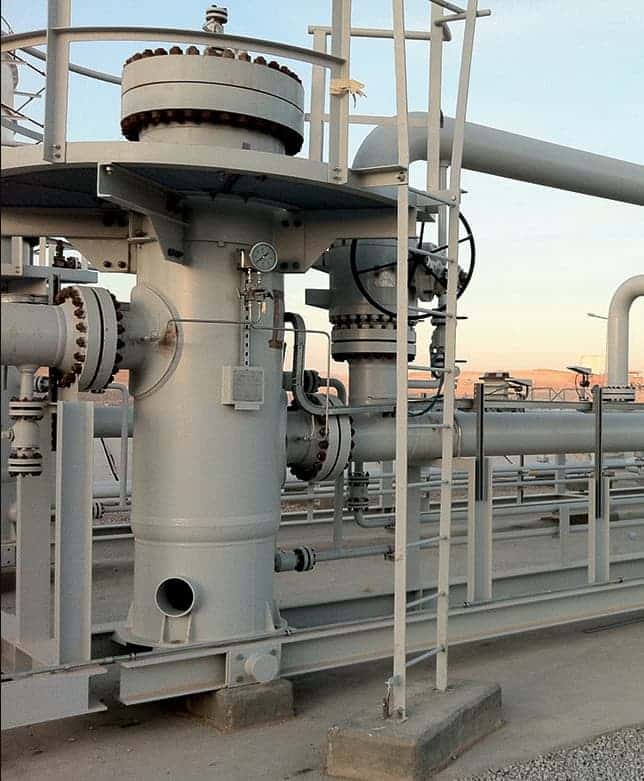
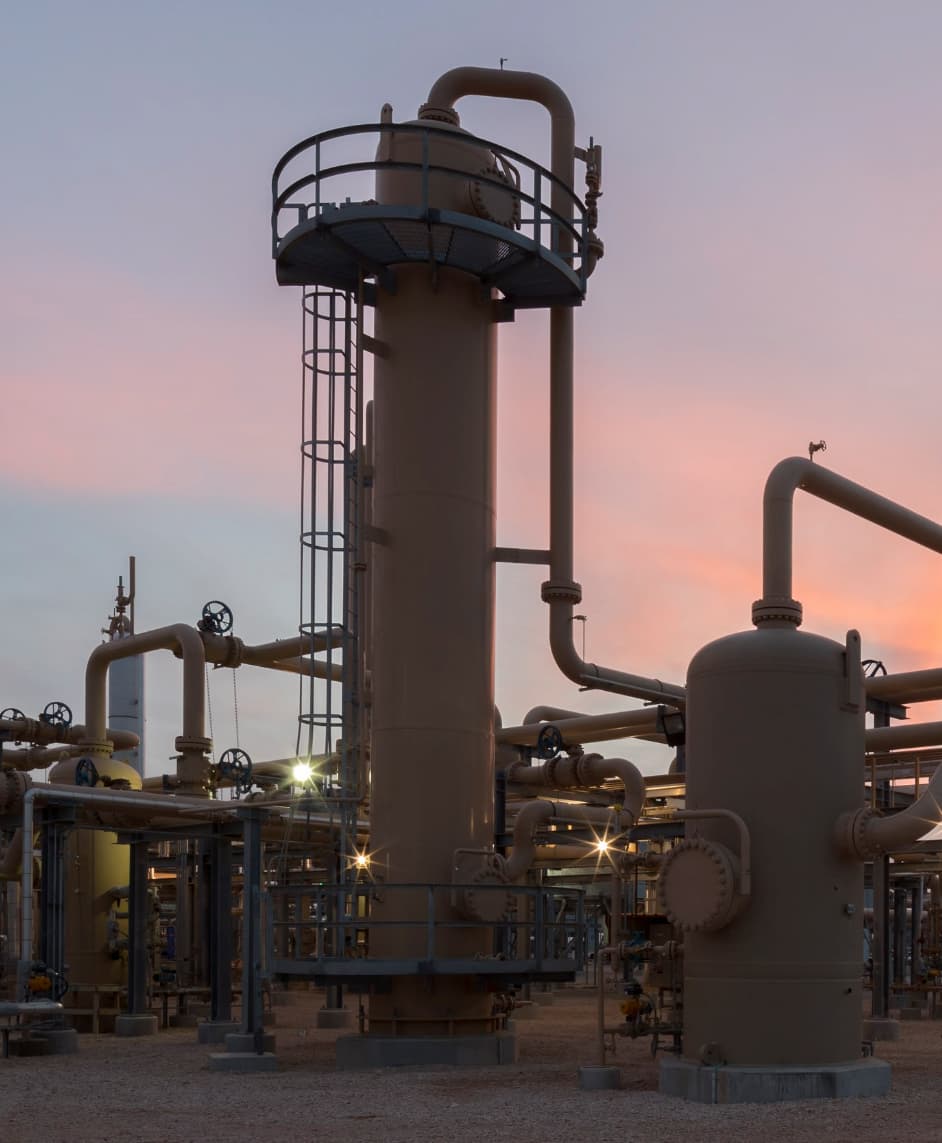
TPS designs and delivers glycol dehydration systems (also called TEG units) tailored to your flow, pressure, gas composition, and outlet dew-point targets.
Built for gathering systems, compression stations, and processing plants, a TPS glycol dehydration system protects pipelines and downstream equipment, improves reliability, and helps maintain product-gas specifications with with field-proven components and end-to-end support.
Absorb: Wet gas enters absorber; lean glycol removes water.
Separate: Rich glycol is flashed/filtered to remove entrained gas/liquids.
Regenerate: Reboiler drives off water; glycol is reconcentrated.
Recycle: Lean glycol is cooled and returned to the absorber.
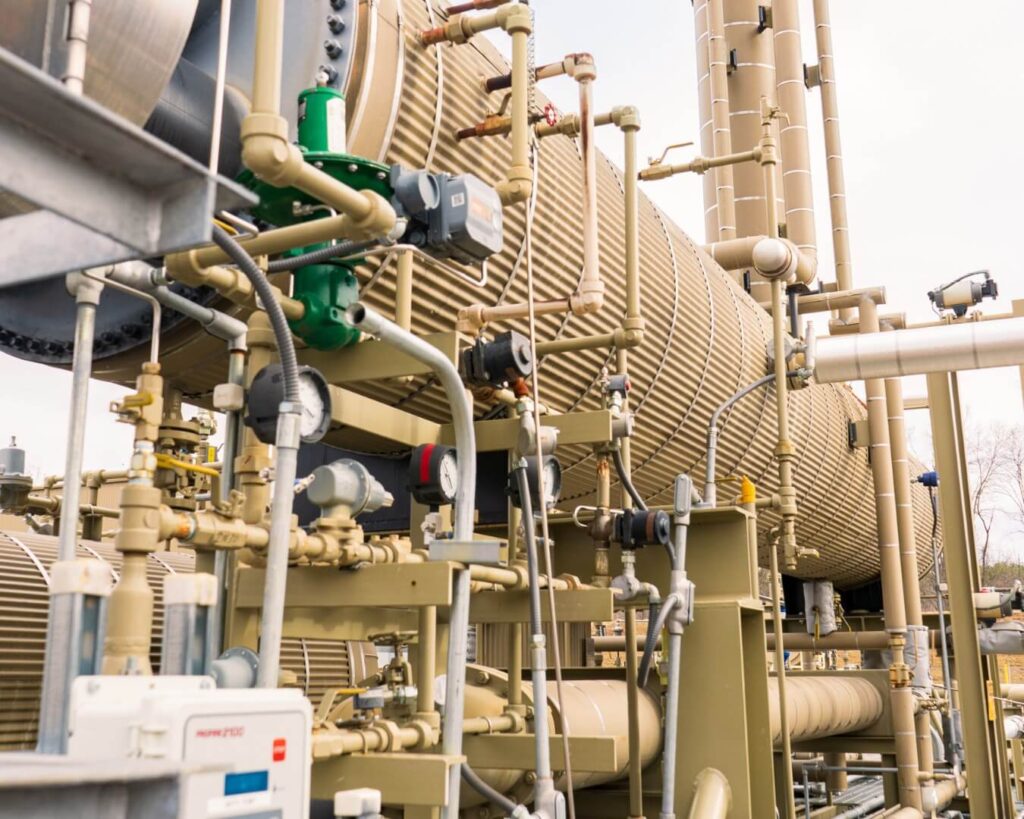
Each glycol dehydration system (TEG unit) from TPS ships as a complete skid: absorber/contactor, reboiler/still, pumps, heat exchangers, filtration, and controls. Optional upgrades boost efficiency, safety, and emissions compliance.
Our team is ready to assist you. Reach out today to request a quote for more information.
Our staff is comprised of dedicated and experienced industry veterans who will learn about your application to provide solutions specific to your project needs. Whether you require standard packaged equipment, a process system, a tune-up of your current system, or servicing for another brand of equipment, our Designers and Technicians have the knowledge and experience to make your project a success.
Our team is ready to assist you. Reach out today to request a quote for more information.
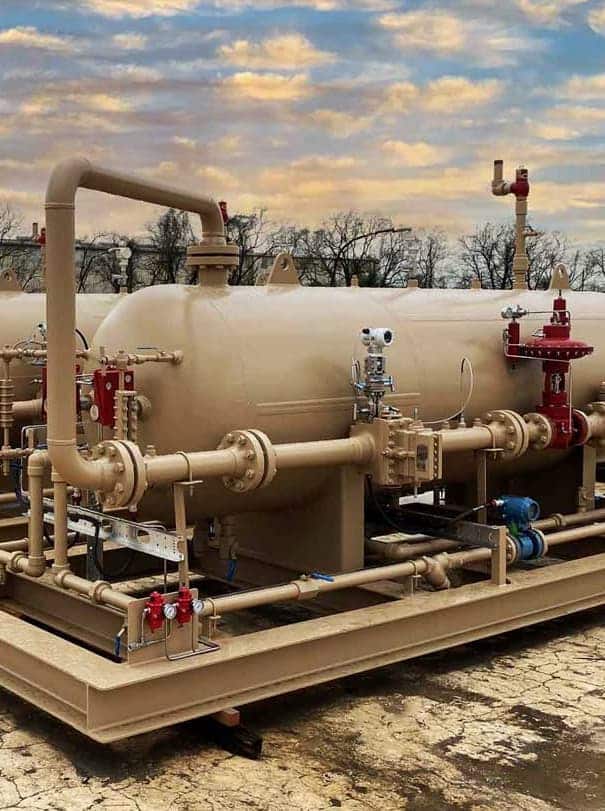
Produced well fluids consist of various amounts of oil, water, natural gas, and sediment. The first step in oil and gas production is to split the flow up into its individual components with a separator.
A three-phase separator uses gravity to separate produced well fluid into gas, oil, and water phases. Installation of these vessels occurs near the wellhead, and they come in horizontal and vertical configurations.
Solid-desiccant dehydration is the primary form of dehydrating natural gas using adsorption and usually consists of two or more adsorption towers, which are filled with a solid desiccant. Typical desiccants include activated alumina, silica gel, and molecular sieve.
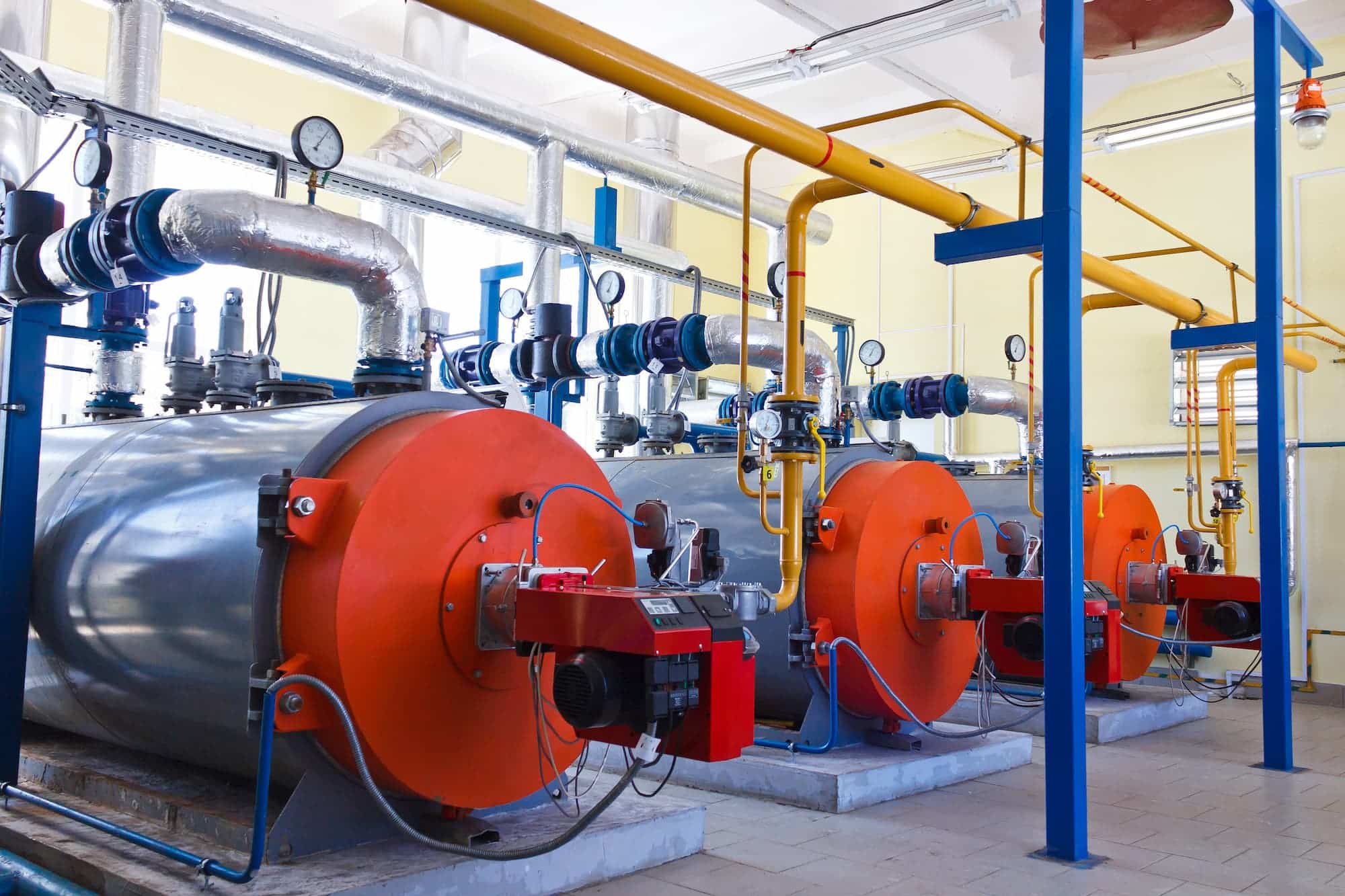
The gas processing industry relies on heaters to maintain the correct viscosity of petrochemical materials when processing in extreme temperature conditions.
A popular heating option in the gas processing industry that performs this function is the immersion heater. Immersion heaters quickly and evenly heat tanks of liquid. The direct heating provided by the immersion heater delivers faster and more consistent heat dispersal.