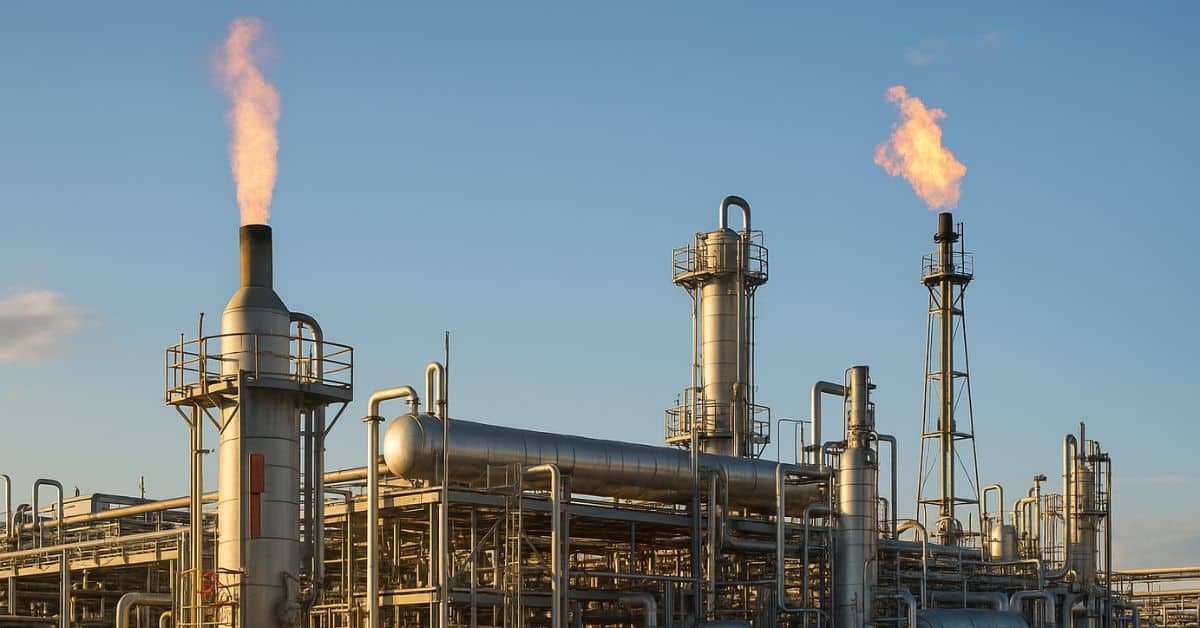
By June, oil and gas operations are no longer preparing for summer conditions — they are operating in them.
Higher ambient temperatures, sustained throughput demands, and extended system run times create an environment where even well-designed systems begin to show signs of strain. Performance issues that may have gone unnoticed in earlier months become more visible, and small inefficiencies can quickly escalate into operational challenges.
At this stage, the focus shifts from preparation to performance management — maintaining efficiency, identifying emerging constraints, and preventing minor issues from becoming costly disruptions.
Why Performance Starts to Drift in Peak Conditions
Industrial systems are rarely static. As operating conditions change, so does system behavior.
During peak summer operations, several factors contribute to performance drift:
- Thermal stress on equipment and processes
- Reduced cooling efficiency due to higher ambient temperatures
- Changes in fluid properties affecting separation and flow
- Increased load across multiple system components simultaneously
These variables create a dynamic operating environment where systems must continuously adapt. Without proper monitoring and adjustment, performance gradually declines.
The challenge is that these changes are often subtle at first — a slight drop in efficiency, a minor increase in fuel consumption, or a small pressure imbalance. Over time, these small shifts compound.
According to the International Energy Agency, inefficiencies in industrial systems can significantly increase energy consumption and operating costs when not addressed early. Source

Early Indicators of System Inefficiency
In June, the most valuable insight comes from recognizing early warning signs.
Common indicators include:
- Gradual reduction in throughput despite stable input conditions
- Increased fuel usage in process heating systems
- Inconsistent separation performance
- Fluctuations in pressure and temperature across the system
- Emissions trending toward upper compliance limits
These signals often point to underlying constraints or imbalances within the system.
Addressing them early allows operators to maintain stability without resorting to reactive fixes.
Process Optimization in Real-Time Operations
When systems are already running at high capacity, optimization becomes a real-time activity.
Rather than focusing on major system changes, optimization efforts typically involve:
- Adjusting operating parameters to improve efficiency
- Rebalancing flow across system components
- Identifying and mitigating bottlenecks
- Improving heat transfer performance
This is where process modeling and optimization play a critical role.
By analyzing current system behavior and comparing it to expected performance, operators can pinpoint where inefficiencies are developing and determine the most effective corrective actions.
👉 Learn more about how TPS supports this through Process Modeling & Optimization:
Combustion Systems Require Continuous Attention
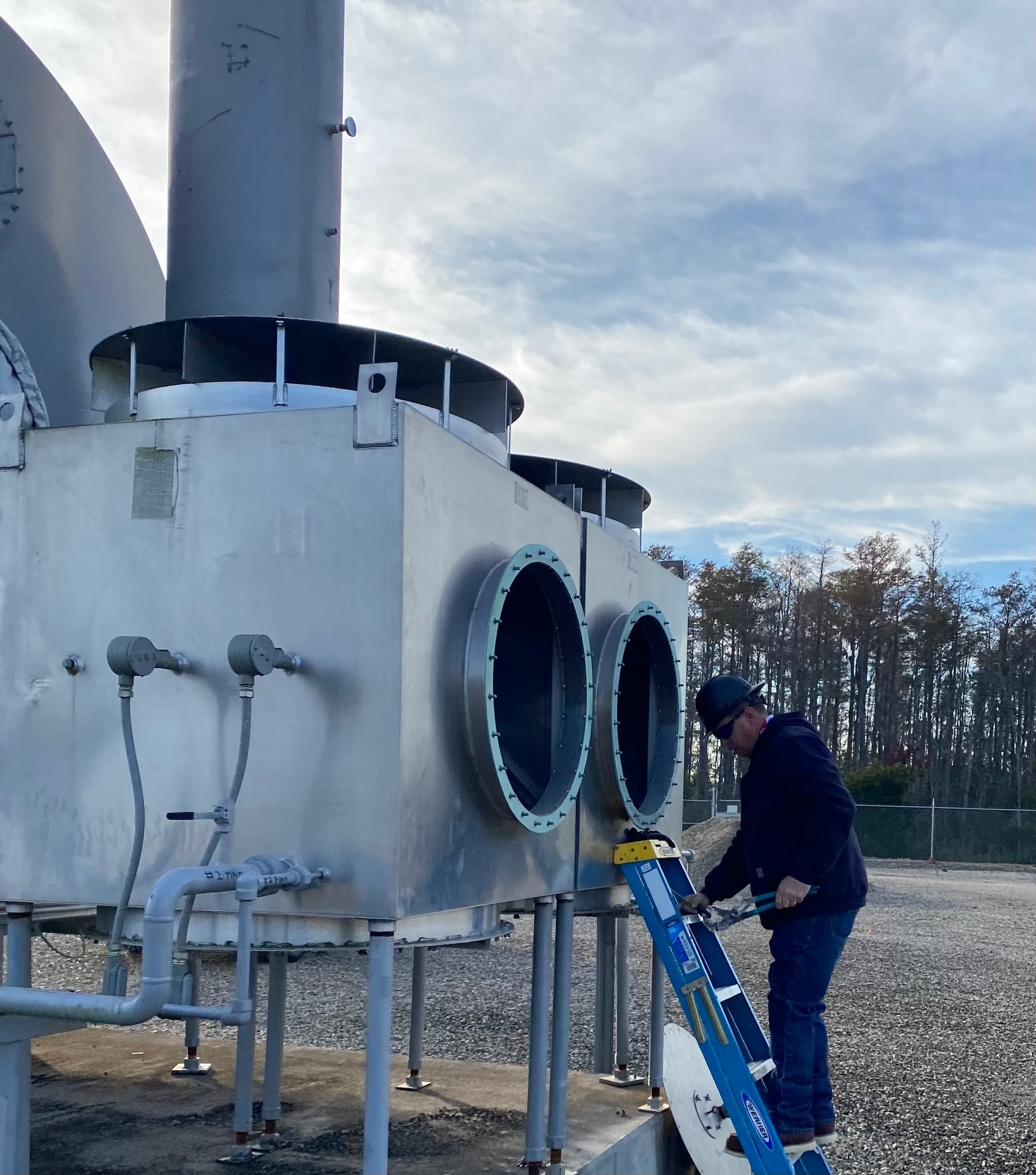
Combustion systems are particularly sensitive during peak summer conditions.
As ambient temperatures rise, air density decreases, which directly affects combustion efficiency. If systems are not adjusted accordingly, the result can include:
- Increased fuel consumption
- Reduced heat output efficiency
- Elevated emissions levels
- Greater difficulty maintaining compliance
In addition, extended run times increase wear on combustion components, further contributing to performance drift.
Routine combustion tuning and emissions testing ensure systems remain efficient and compliant under changing conditions.
The U.S. Environmental Protection Agency highlights proper combustion management as a key factor in reducing emissions and improving system efficiency.
👉 Explore TPS services for Combustion Tuning & Emissions Testing
Gas Dehydration Performance Under Heat Stress
Gas dehydration systems, particularly glycol-based units, are highly sensitive to temperature changes.
During peak summer conditions:
- Higher temperatures reduce the absorption capacity of glycol
- Increased water content in gas streams can challenge system limits
- Regeneration efficiency may decline if heat input is not properly managed
These factors can result in higher moisture content in processed gas, impacting downstream operations and potentially leading to compliance issues.
Maintaining dehydration performance requires careful monitoring and, in some cases, system adjustments to compensate for changing conditions.
The Gas Processors Suppliers Association provides detailed guidance on dehydration system performance and operational considerations.Source
Identifying and Managing Bottlenecks
As systems operate at higher capacity, bottlenecks become more pronounced.
These constraints can occur in various parts of the system, including:
- Piping and flow restrictions
- Separation equipment capacity
- Heat exchangers and process heaters
- Compression and pressure control systems
A bottleneck in one area can limit the performance of the entire system.
Identifying these constraints requires a combination of operational data, system knowledge, and analytical tools.
Once identified, solutions may include:
- Adjusting flow rates
- Modifying operating conditions
- Reconfiguring system balance
- Implementing targeted equipment upgrades
In many cases, addressing a single constraint can unlock significant performance gains.
The Importance of System Integration During Peak Operation
During high-demand periods, the way system components interact becomes even more critical.
If systems were not designed or configured with integration in mind, peak conditions can amplify existing inefficiencies.
Common integration-related issues include:
- Mismatched equipment capacities
- Poor communication between control systems
- Inconsistent flow distribution
- Delays in system response to changing conditions
Ensuring systems operate as a cohesive unit improves both efficiency and reliability.
👉 Learn more about TPS’s approach through Consulting & Design:

Avoiding Reactive Operations
One of the biggest risks during peak summer conditions is shifting into reactive mode.
When systems begin to underperform, there is often pressure to implement quick fixes — increasing throughput, adjusting setpoints, or pushing equipment beyond recommended limits.
While these actions may provide short-term relief, they often create additional stress on the system and can lead to larger issues over time.
A more effective approach focuses on:
- Identifying root causes
- Making data-driven adjustments
- Maintaining system balance
This approach reduces long-term risk and supports sustained performance.
Operational Stability Through Continuous Monitoring
Maintaining peak performance requires continuous visibility into system behavior.
Key monitoring areas include:
- Pressure and temperature trends
- Fuel consumption rates
- Emissions output
- Equipment performance metrics
By tracking these variables, operators can detect changes early and respond proactively.
This level of awareness is essential for maintaining efficiency and preventing downtime during high-demand periods.
Final Thoughts
June represents a critical phase for oil and gas operations.
Systems are operating under sustained demand, environmental conditions are less forgiving, and the margin for error is reduced.
At this stage, maintaining performance requires a combination of:
- Real-time optimization
- System awareness
- Proactive adjustments
- Technical expertise
Small inefficiencies that might go unnoticed in lower-demand periods can quickly escalate under peak conditions.
By focusing on system performance, identifying constraints early, and leveraging tools like process modeling and combustion tuning, operators can maintain stability, improve efficiency, and avoid costly disruptions.
In peak season, performance isn’t just about output — it’s about control.