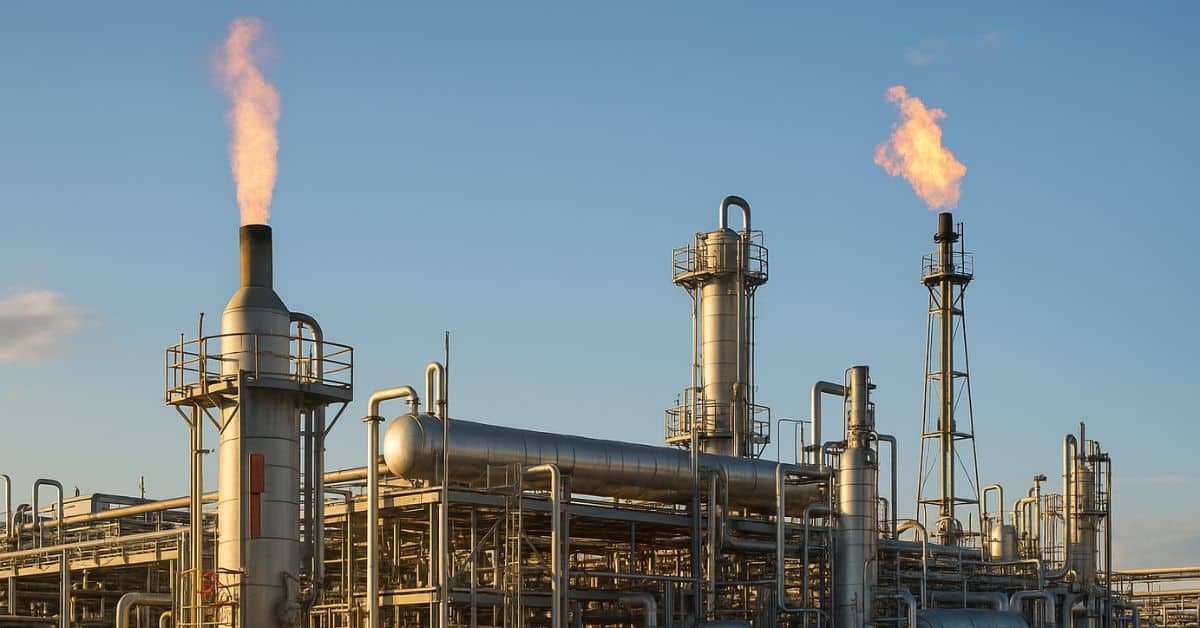
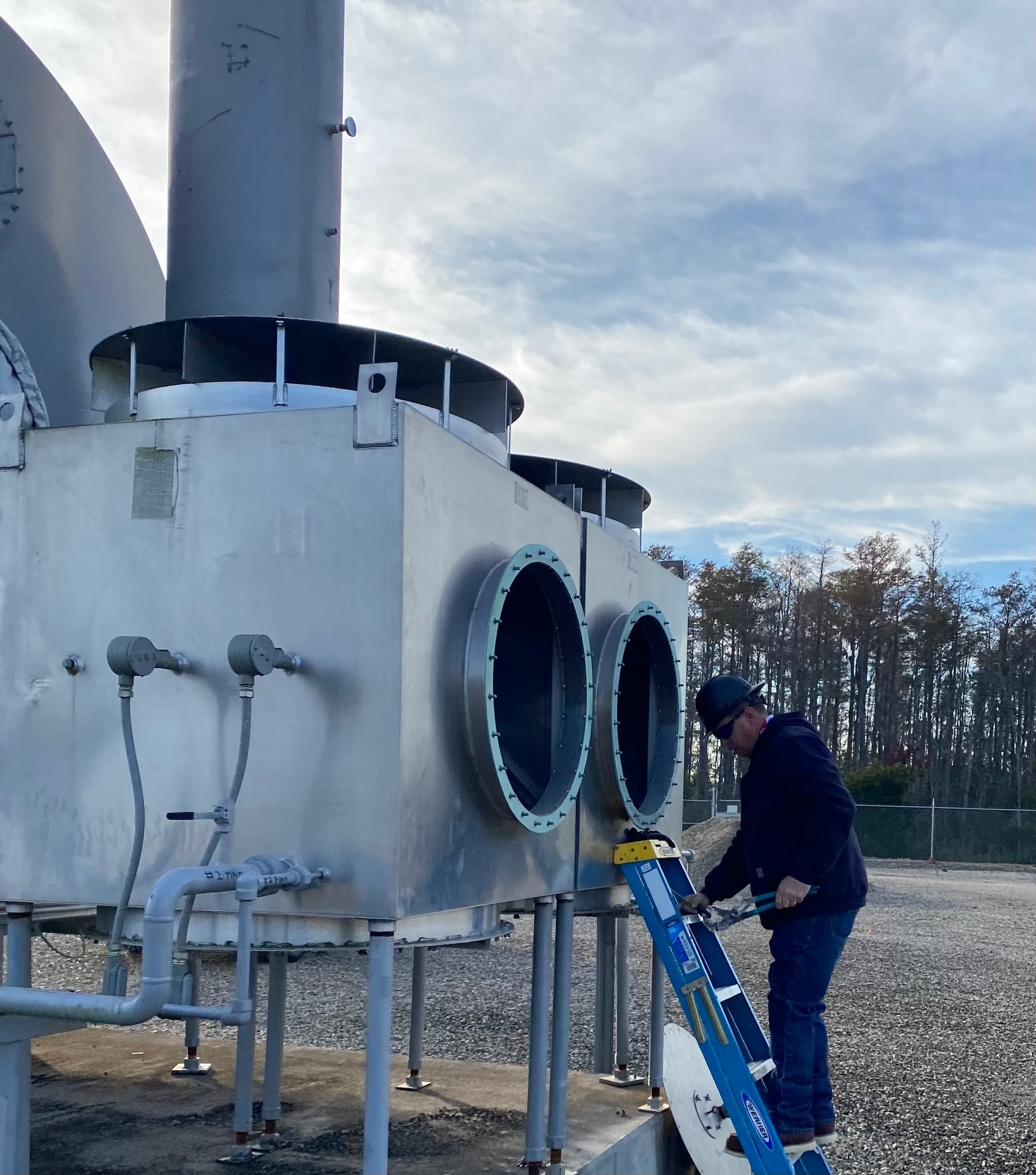
Across North America, a significant portion of upstream oil and gas production infrastructure was installed decades ago. Many separators, heater treaters, dehydration units, and fired heaters operating today were originally installed 30 to 50 years ago and continue to operate well beyond their initial design expectations.
While this longevity demonstrates the durability of legacy equipment, it also introduces challenges for operators trying to maintain efficiency, reliability, and regulatory compliance under modern production conditions.
Reservoir characteristics change, production volumes shift, and regulatory standards evolve. Equipment that was originally designed for the conditions of a field in the 1980s may now be operating far outside its intended operating envelope.
For operators and facility engineers, the question is no longer simply whether aging equipment can continue to run. The real question is: Is aging equipment limiting production performance, increasing operating costs, or introducing operational risk?
Understanding the lifecycle of production equipment and recognizing the warning signs of declining system performance can help operators determine when optimization, upgrades, or replacement becomes the most practical solution.

Why So Much Production Equipment Is 30–50 Years Old
Many production facilities currently operating in North America were constructed during major development periods in the 1970s, 1980s, and early 1990s. During these periods, infrastructure was installed to support large numbers of new wells and rapidly expanding production fields.
At the time, separators, heater treaters, dehydration units, and fired equipment were designed to accommodate the expected production profiles of those fields. However, oil and gas fields rarely behave exactly as predicted over the long term.
As reservoirs mature, production characteristics often shift in ways that significantly impact facility performance. These changes commonly include:
- Increasing water cut as reservoirs decline
- Higher gas-oil ratios in mature wells
- Changes in crude properties and emulsion behavior
- Increased production volumes from infill drilling or new well tie-ins
- Changing environmental and emissions regulations
When these changes occur, production equipment originally designed for earlier operating conditions may struggle to maintain separation efficiency and process stability. While the equipment itself may remain mechanically sound, the process system may no longer be optimized for the conditions it is operating under today.

Typical Lifespans of Upstream Production Equipment
Many production vessels are built to last for decades, but there is an important distinction between mechanical lifespan and functional lifespan.
A separator or heater treater may remain structurally intact for 40 years or more. However, the ability of that equipment to operate efficiently under modern production conditions often declines much earlier.
Typical operational lifespans for production equipment include:
| Equipment Type | Typical Functional Lifespan |
|---|---|
|
Separators |
20–40 years |
|
Heater Treaters |
25–40 years |
|
Glycol Dehydration Units |
20–30 years |
|
Solid Desiccant Systems |
20–30 years |
|
Direct-Fired Heaters |
20–35 years |
|
Control Systems |
10–20 years |
Once equipment begins operating outside its optimal design conditions, performance limitations often appear gradually. Because these changes occur over time, they may go unnoticed until operational inefficiencies become significant.
Operational Symptoms of Aging Production Equipment
Aging equipment rarely fails suddenly. Instead, operators typically observe gradual declines in process performance.
Recognizing these symptoms early allows operators to evaluate solutions before inefficiencies significantly impact production. Common indicators that aging equipment may be limiting facility performance include the following.
Increasing Maintenance Frequency
One of the clearest signs that equipment has reached the later stages of its lifecycle is a steady increase in maintenance activity.
Operators may begin to see:
- Frequent burner adjustments or failures
- Control valve issues
- Corrosion or scale buildup inside vessels
- Increased downtime for repairs
- Difficulty maintaining stable operating conditions
While maintenance can extend equipment life, the cost and frequency of repairs eventually begin to outweigh the benefits of continued operation.
Declining Separation Efficiency
Separators and heater treaters rely on residence time, temperature control, and internal separation components to efficiently separate oil, gas, and water phases.
When production volumes increase or fluid properties change, older vessels may struggle to maintain separation performance.
Symptoms may include:
- Elevated BS&W in crude oil sales
- Gas carryover in liquid systems
- Oil carryover in produced water streams
- Increased chemical usage to maintain separation
- Unstable interface levels in separators
These issues often indicate that the vessel’s internal configuration or capacity is no longer suited to the current production conditions.
Increased Fuel Consumption in Fired Equipment
Water bath heaters and direct-fired heaters play an important role in maintaining process temperatures throughout many production systems.
Older fired equipment often experiences declining combustion efficiency due to outdated burner designs, poor heat transfer performance, or control limitations.
Operators may notice:
- Higher fuel gas consumption
- Difficulty maintaining stable temperatures
- Flame instability or burner reliability issues
- Excess emissions from inefficient combustion
In many cases, combustion tuning or burner upgrades can significantly improve performance without replacing the entire vessel.
Higher Chemical Usage
When separation equipment becomes less effective, operators often compensate by increasing chemical injection rates.
Demulsifiers, corrosion inhibitors, and scale control chemicals may be used more aggressively to maintain system performance.
While chemical programs can temporarily stabilize operations, rising chemical costs may indicate that the underlying process system requires optimization.
The Hidden Costs of Operating Aging Equipment
Continuing to operate aging equipment may appear cost-effective because the capital investment has already been made. However, hidden operational costs can accumulate over time.
These costs often include:
Production Losses
Inefficient separation systems can result in lost oil recovery, off-spec product streams, or increased flaring.
Even small declines in efficiency can significantly impact revenue over time.
Higher Operating Costs
Older systems frequently require more fuel, chemicals, and maintenance labor to maintain acceptable performance levels.
Increased Downtime Risk
Aging vessels and mechanical systems are more prone to unexpected failures, leading to costly production interruptions.
Safety and Compliance Risks
Older equipment may not meet modern safety standards or emissions requirements, creating potential regulatory challenges. Evaluating the total operational impact of aging equipment is essential when considering long-term facility performance.

Replacement vs Optimization: Determining the Best Path Forward
Not every aging facility requires full equipment replacement. In many cases, targeted upgrades and system optimization can significantly improve performance while extending the life of existing assets. The key is understanding when optimization is sufficient and when replacement provides greater long-term value.
When Optimization Is the Best Solution
Many production facilities can achieve meaningful improvements through process optimization and targeted upgrades.
Common optimization strategies include:
- Upgrading separator internals to improve phase separation
- Retrofitting improved burner systems in fired equipment
- Combustion tuning to increase fuel efficiency
- Control system modernization
- Process modeling to identify bottlenecks
- Adjusting operating parameters for current production conditions
These improvements can often increase throughput, improve separation performance, and reduce operating costs without requiring complete facility replacement.
When Equipment Replacement Becomes Necessary
In some situations, aging equipment may no longer provide a practical foundation for efficient operations.
Replacement may be the best option when:
- Vessel capacity is significantly undersized for current production
- Corrosion or structural degradation threatens vessel integrity
- Regulatory compliance cannot be achieved with existing systems
- Major internal redesign would be required to maintain performance
- Maintenance costs have become excessive
In these cases, installing new equipment designed for current operating conditions can significantly improve long-term facility performance.
The Role of Process Modeling in Evaluating Aging Facilities
One of the most effective ways to evaluate aging production systems is through process modeling and system analysis.
Rather than relying on assumptions, process modeling allows operators to simulate how their facilities perform under current and projected operating conditions.
This analysis can identify:
- Separation bottlenecks
- Insufficient residence time
- Heat transfer limitations
- Undersized vessels
- Inefficient process configurations
By understanding how each piece of equipment interacts within the broader system, operators can determine whether upgrades, operational adjustments, or equipment replacement will provide the greatest benefit.
Process modeling also allows facilities to evaluate future production scenarios before making capital investments.

Preparing Facilities for the Next 30 Years
As many oil and gas fields mature, operators are increasingly focused on extending field life while maintaining efficient production operations.
Facilities that proactively evaluate aging infrastructure are better positioned to:
- Increase recovery rates
- Reduce operating costs
- Improve reliability and uptime
- Maintain environmental compliance
- Support future production growth
Rather than simply replacing aging equipment, the most successful operators take a system-level approach — evaluating how each component of the production process contributes to overall facility performance.
Evaluating Your Facility’s Performance
If your production facility includes equipment that has been operating for several decades, it may be beneficial to evaluate whether the system is still operating efficiently under current conditions.
A detailed assessment of separation equipment, fired heaters, and dehydration systems can often reveal opportunities to improve production efficiency and reduce operating costs.
Even facilities that appear to be functioning adequately may benefit from targeted process optimization or equipment upgrades.
How Total Product Services Helps Operators Optimize Aging Facilities
Total Product Services works with operators to evaluate and improve the performance of production facilities operating with aging infrastructure. Our team provides consulting, design, and technical services focused on improving the efficiency and reliability of upstream production systems.
Services include:
- Process modeling and system analysis
- Production facility optimization
- Separator and heater treater design and upgrades
- Combustion tuning for fired equipment
- Emissions testing and regulatory support
- Equipment commissioning and troubleshooting
By combining operational experience with detailed system analysis, TPS helps operators identify practical solutions that improve facility performance while supporting long-term production goals.
✔ If your facility is operating with equipment installed decades ago, it may be time to evaluate whether your current systems are still optimized for today’s production conditions.
Total Product Services helps operators identify inefficiencies, evaluate equipment performance, and develop solutions designed to improve production reliability and efficiency.