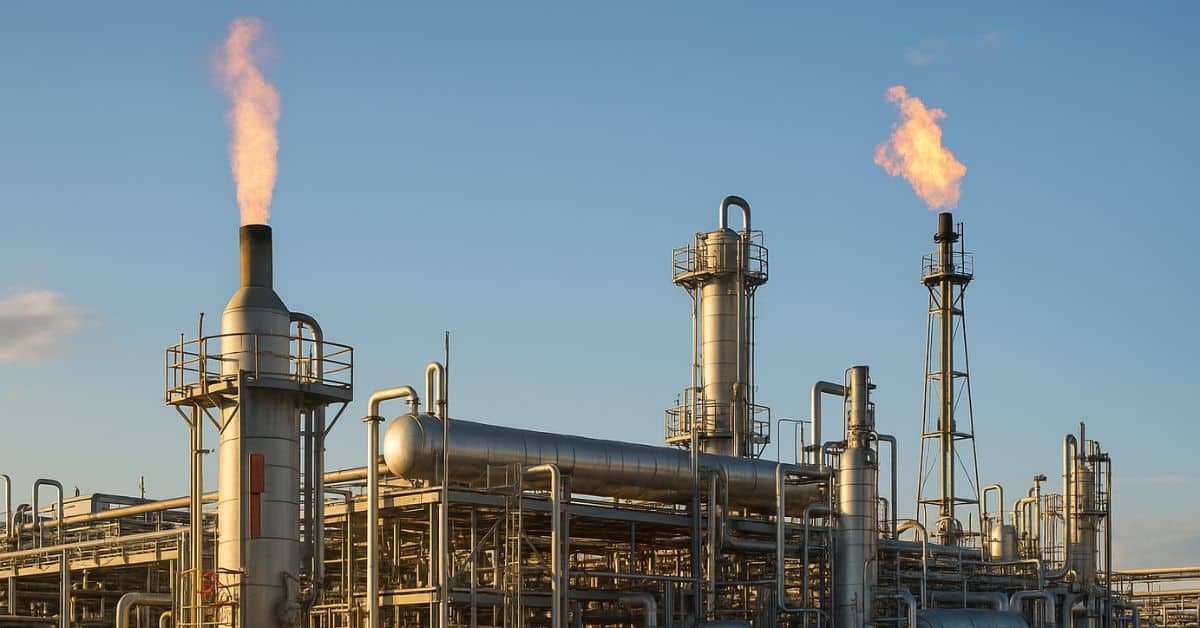
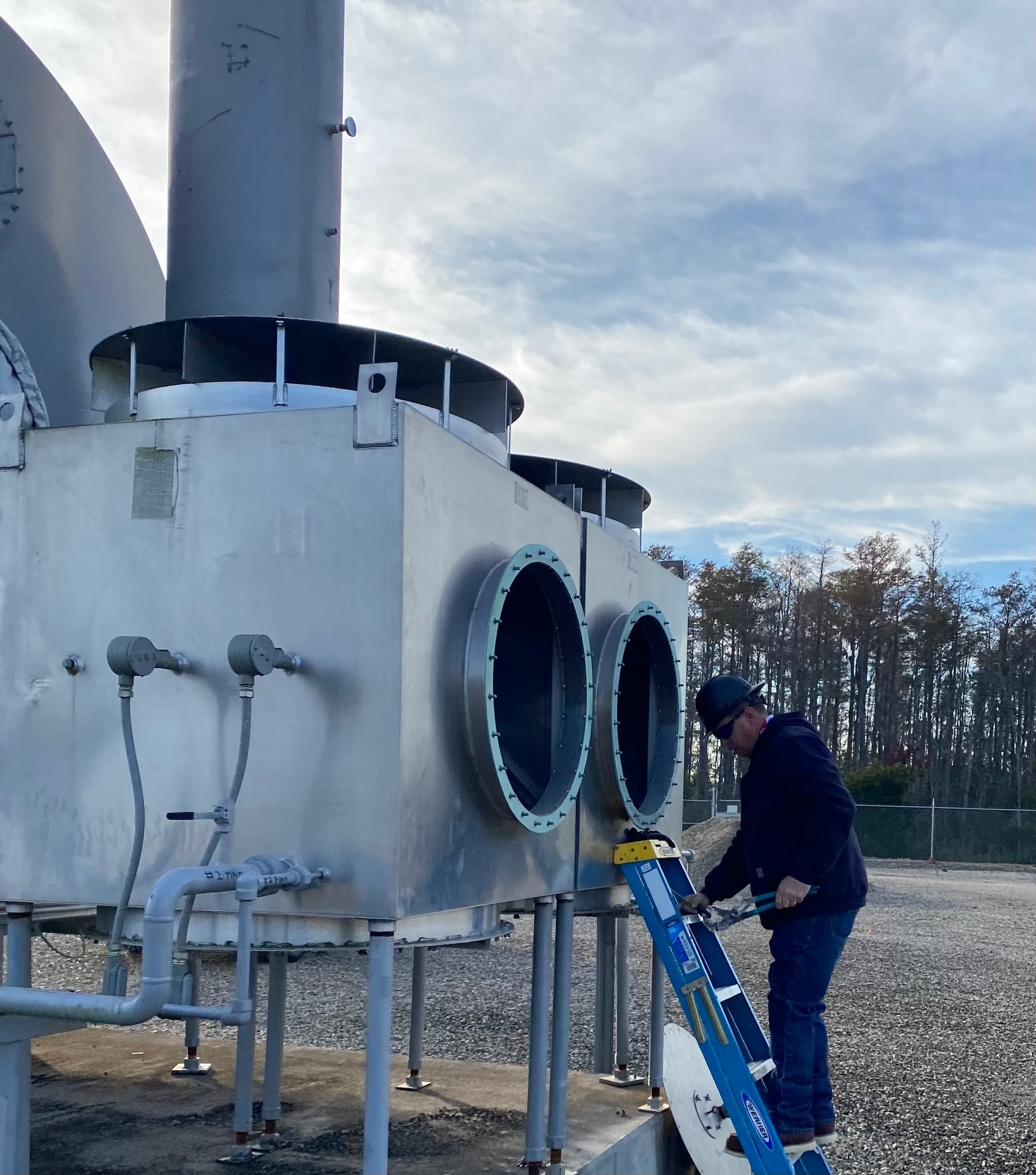
Winter conditions have a way of exposing operational weaknesses faster than any other season. As temperatures drop, production facilities face increased risk of equipment inefficiencies, freeze-related disruptions, and unexpected downtime. For operations and maintenance leaders, winter is not the time to rely on reactive fixes—it’s the time for structured, preventative inspections.
Implementing standardized winter inspections for facilities helps teams identify vulnerabilities early, reduce operational risk, and maintain system reliability during cold-weather operations. A consistent inspection protocol not only prevents surprises—it supports long-term uptime and efficiency.
This article outlines the inspection practices facilities should prioritize during winter, why they matter, and how a structured approach improves overall facility reliability.
Why Winter Inspections Are Critical for Facility Reliability
Cold weather places unique stress on process equipment and supporting systems. Reduced ambient temperatures affect fluid behavior, heat retention, circulation efficiency, and component performance. Even minor gaps in insulation or heat tracing can escalate into operational issues once freezing conditions set in.
Without a formal inspection process, facilities often discover problems only after performance drops or systems go offline. A proactive winter inspection program allows teams to:
- Identify cold-weather vulnerabilities early
- Reduce unplanned downtime
- Improve safety and operational stability
- Protect production targets during peak winter months
Ultimately, winter inspections are a core part of any preventative maintenance checklist aimed at sustaining facility reliability.
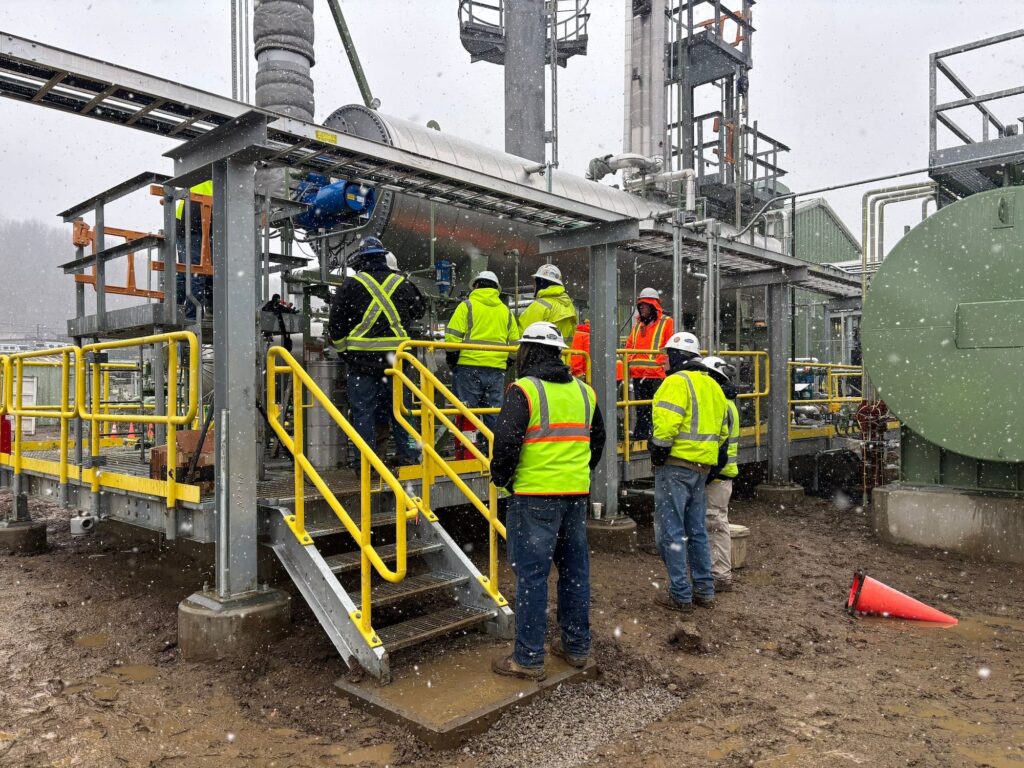
Key Areas to Inspect During Winter Operations
A successful winter inspection program focuses on the systems and components most affected by low temperatures. While every facility is different, the following inspection categories apply across most cold-weather production environments.
1. Equipment Condition and Performance Checks
Process equipment should be evaluated for signs of cold-weather stress, reduced efficiency, or wear that could worsen during winter.
Inspection considerations include:
- Abnormal vibration or noise
- Changes in operating pressure or temperature
- Inconsistent performance trends
- Signs of thermal cycling stress
Special attention should be given to systems responsible for separation, dehydration, and heating, as these are often the first to show performance degradation in winter conditions.
2. Insulation Integrity and Coverage
Insulation plays a critical role in protecting equipment from heat loss and freezing conditions. Over time, insulation can degrade, shift, or become damaged—especially in harsh operating environments.
Winter inspections should verify:
- Complete insulation coverage on piping, vessels, and components
- No exposed flanges, valves, or fittings
- Absence of moisture intrusion or damaged jacketing
- Proper insulation thickness for cold-weather operation
Even small insulation gaps can lead to heat loss that impacts process stability and energy efficiency.
3. Heat Tracing Verification
Heat tracing systems are essential for maintaining temperature control during winter, but they are also prone to failure if not routinely inspected.
Inspection steps include:
- Confirming heat tracing is operational and energized
- Checking temperature setpoints and control logic
- Verifying proper contact between tracing and piping
- Inspecting power connections and control panels
Heat tracing issues often go unnoticed until freezing occurs, making early verification a critical component of winter readiness.
4. Freeze-Critical Component Audits
Certain components are particularly vulnerable to freezing due to low flow, stagnant fluids, or exposure to cold air. These components should be identified and prioritized during inspections.
Common freeze-critical areas include:
- Low-point drains
- Sample lines
- Instrument tubing
- Small-diameter piping
- Relief and vent lines
Auditing these areas helps prevent blockages, inaccurate readings, and unexpected shutdowns during extreme cold.

How Structured Inspection Programs Improve Reliability
Facilities that rely on ad hoc inspections often miss trends and recurring issues. A structured winter inspection program provides consistency, documentation, and accountability.
Benefits of a formalized approach include:
- Early detection of developing issues
- Standardized evaluation across systems
- Clear documentation for maintenance planning
- Improved coordination between operations and maintenance teams
Over time, this structure leads to measurable facility reliability improvements, particularly during high-risk winter months.
Preventative Maintenance and Winter Inspections Go Hand in Hand
Winter inspections are not a standalone task—they are an extension of preventative maintenance planning. When inspections are tied to maintenance schedules, facilities can prioritize corrective actions before problems escalate.
An effective winter-focused preventative maintenance checklist should:
- Incorporate seasonal inspection findings
- Adjust maintenance frequency based on cold-weather risk
- Address insulation, heat tracing, and circulation issues proactively
- Track performance trends across winter operations
This approach reduces emergency repairs and supports smoother operations throughout the season.
TPS as a Trusted Winter Inspection and Reliability Partner
Executing effective winter inspections requires experience, technical understanding, and a facility-wide perspective. TPS supports production facilities by helping identify cold-weather vulnerabilities and guiding corrective actions that improve operational reliability.
As a trusted winter inspection and reliability partner, TPS helps facilities:
- Evaluate equipment and system readiness
- Identify insulation and heat retention gaps
- Verify heat tracing effectiveness
- Prioritize freeze-critical components
- Strengthen preventative maintenance strategies
By supporting structured inspections, TPS helps facilities stay online, reduce risk, and operate with confidence throughout winter conditions.
Frequently Asked Questions
What should be included in winter inspections for facilities?
Winter inspections should focus on equipment condition, insulation integrity, heat tracing verification, and freeze-critical components that are vulnerable to low temperatures.
How often should winter inspections be performed?
Most facilities benefit from inspections before winter begins, followed by routine checks throughout the cold-weather season, especially after extreme temperature events.
Why are winter inspections important for preventative maintenance?
Winter inspections identify issues early, allowing facilities to address vulnerabilities before they cause downtime, equipment damage, or safety risks.
Which systems are most affected by cold weather?
Systems involving fluid movement, heat transfer, and temperature control—such as separation, dehydration, and heating systems—are especially sensitive to winter conditions.
Prepare for Winter With Confidence
Cold weather doesn’t have to lead to operational surprises. With structured winter inspections and a proactive maintenance approach, facilities can protect uptime, efficiency, and safety throughout the season.
Looking for professional winter inspection support?
TPS helps facilities identify vulnerabilities early and strengthen reliability before cold weather impacts performance. Contact TPS to discuss winter inspection support today.