Emergency downtime is rarely the result of a single catastrophic failure. More often, it’s the outcome of small, preventable issues that went undetected until they disrupted operations. For production facilities operating through winter conditions, the difference between preventative and reactive maintenance can mean the difference between consistent uptime and costly shutdowns.
Facilities that prioritize preventative maintenance gain more than short-term fixes—they reduce operational risk, control costs, and strengthen reliability. When paired with structured winter inspections, preventative maintenance becomes one of the most effective tools for reducing emergency downtime.
This article explores the preventative maintenance benefits that help facilities reduce downtime, improve reliability, and maintain stable operations—especially during sustained winter operations.
Preventative Maintenance vs. Reactive Maintenance: Understanding the Difference
Preventative maintenance focuses on identifying and addressing issues before they escalate into failures. Reactive maintenance responds only after systems have already been compromised.
While reactive maintenance may seem cost-effective initially, it often results in significantly higher long-term costs.
Preventative Maintenance
- Scheduled inspections and evaluations
- Early detection of performance issues
- Planned corrective actions
- Predictable maintenance windows
Reactive Maintenance
- Emergency repairs
- Unplanned downtime
- Expedited labor and parts
- Increased safety and operational risk
Facilities that rely primarily on reactive maintenance often experience more frequent disruptions—especially in winter, when equipment is already under stress.
The Hidden Cost of Emergency Downtime
Emergency downtime affects far more than just the failed component.
Direct costs include:
- Lost production
- Emergency labor and overtime
- Expedited materials and logistics
Indirect costs include:
- Safety risks during rushed repairs
- Reduced equipment lifespan
- Missed delivery commitments
- Operational strain on maintenance teams
Many of these failures stem from issues that could have been identified earlier through structured inspections.
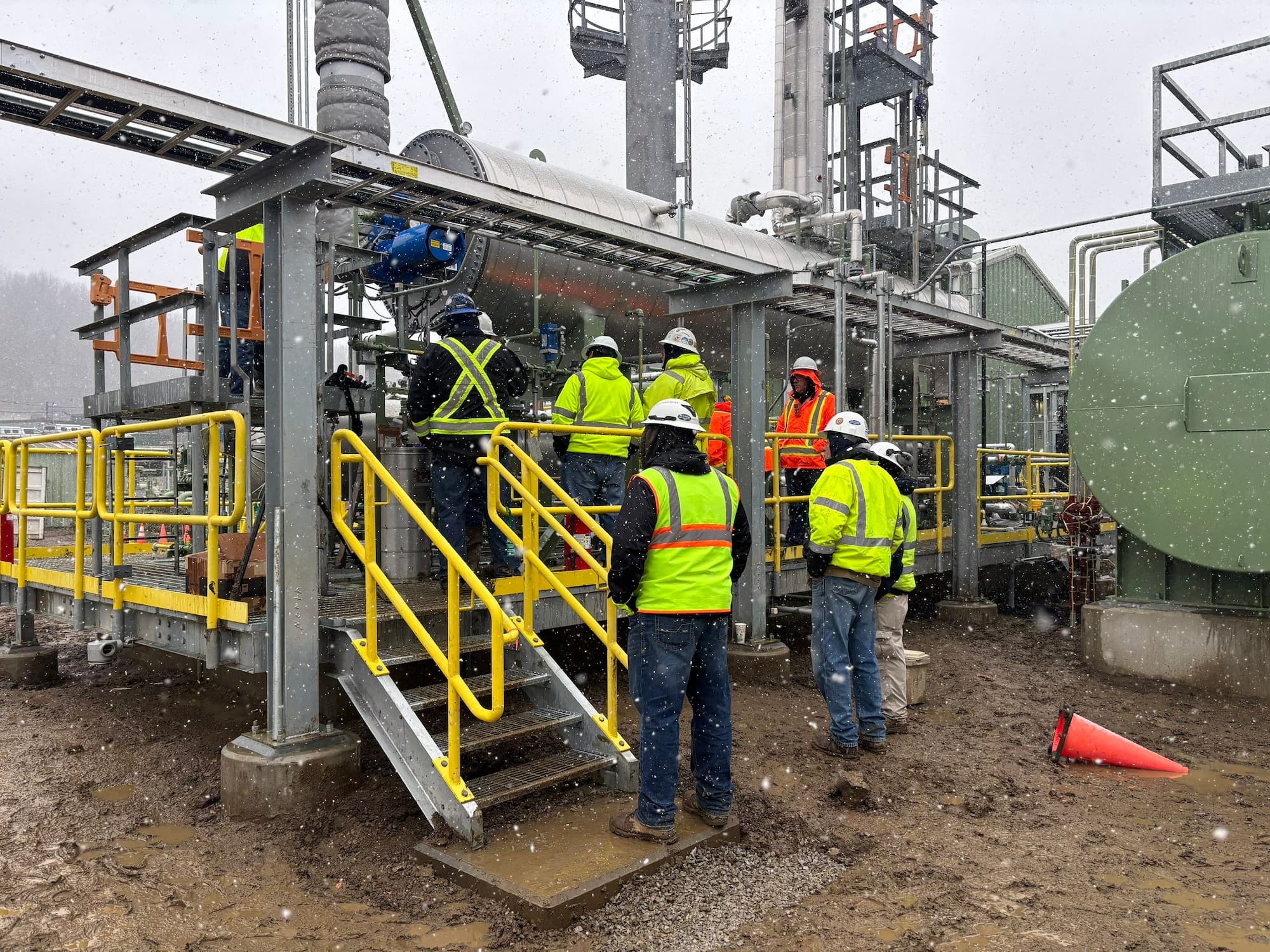
Winter Inspection Protocols That Prevent Operational Surprises
This connection highlights how inspections feed directly into effective preventative maintenance planning.
How Preventative Maintenance Reduces Downtime Risk
Preventative maintenance reduces emergency downtime by addressing the root causes of system failure.Early Detection Through Inspections
Minor inefficiencies—such as heat loss, circulation imbalance, or component wear—often appear long before failure occurs. Routine winter inspections help identify these issues early.Planned Maintenance Windows
Preventative maintenance allows facilities to schedule repairs during low-impact periods, avoiding emergency shutdowns during peak operations.Reduced System Stress
Well-maintained systems operate more consistently, reducing wear caused by instability, temperature swings, or uneven loads.Real-World Comparison: Preventative vs. Reactive Outcomes
Scenario 1: Reactive Maintenance
A facility delays inspections and maintenance during winter operations. A minor circulation issue worsens, leading to an unexpected shutdown during peak demand.
Result:
- Emergency downtime
- Production losses
- Higher repair costs
Scenario 2: Preventative Maintenance
Another facility identifies the same issue during a winter inspection and schedules maintenance proactively.
Result:
- No unplanned downtime
- Controlled repair costs
- Stable winter operations
The difference is preparation—not complexity.
Reliability Is Built Through Maintenance Consistency
Reliability doesn’t happen by accident. It’s the result of consistent inspection, documentation, and corrective action.
Facilities that invest in preventative maintenance experience:
- Improved system stability
- Reduced emergency failures
- Better long-term performance
- Stronger alignment between operations and maintenance
This is how facilities achieve true reliability through maintenance, even under challenging winter conditions.
Why Reactive Maintenance Costs More Over Time
Reactive maintenance often appears cheaper because it avoids upfront planning. In reality, it leads to:
- Higher labor costs
- Limited repair options
- Collateral system damage
- Increased downtime frequency
Preventative maintenance allows facilities to stay ahead of these risks rather than reacting to them.
The Role of Maintenance Planning in Facility Reliability
Preventative maintenance is most effective when paired with intentional planning. Strong programs include:
- Regular inspection intervals
- Clear documentation and trend tracking
- Prioritization of critical systems
- Coordination between operations and maintenance teams
TPS helps facilities develop maintenance plans that reduce emergency downtime and support reliable, long-term operation.
Frequently Asked Questions
What are the key preventative maintenance benefits?
Preventative maintenance reduces emergency downtime, lowers total repair costs, improves safety, and extends equipment lifespan.
How does preventative maintenance reduce facility downtime?
By identifying issues early and scheduling repairs proactively, facilities avoid unplanned shutdowns caused by sudden equipment failure.
Is preventative maintenance worth the investment?
Yes. Preventative maintenance consistently costs less than emergency repairs and lost production.
How do winter inspections support preventative maintenance?
Winter inspections identify cold-weather vulnerabilities early, allowing maintenance actions to be planned before failures occur.
Reduce Emergency Downtime Before It Happens
Emergency downtime is disruptive, costly, and often preventable. Facilities that prioritize preventative maintenance—supported by structured winter inspections—gain greater control over operations and reliability.
By detecting issues early and planning maintenance strategically, facilities can reduce risk and maintain uptime throughout winter and beyond.
Looking to reduce emergency downtime and strengthen reliability?
TPS helps facilities plan and execute preventative maintenance strategies that support long-term operational success. Contact TPS to discuss maintenance planning support.