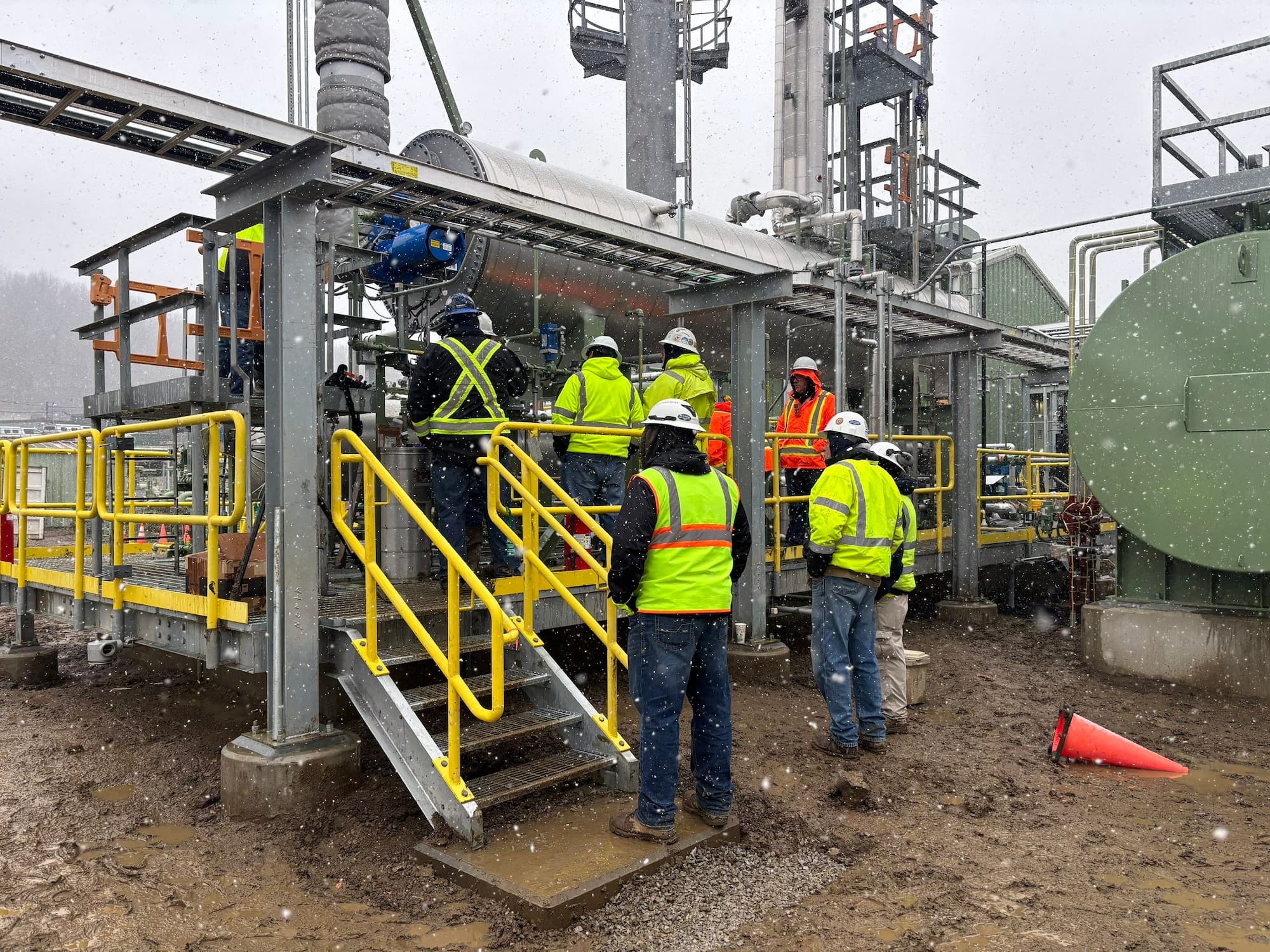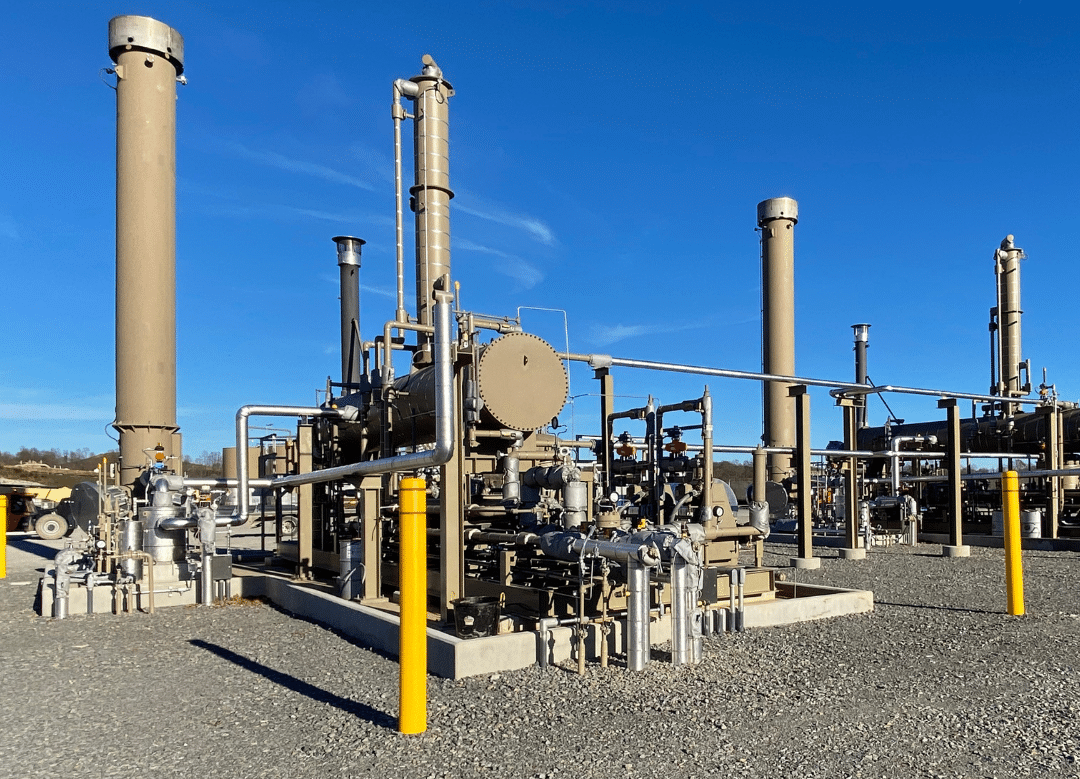
How Low Temperatures Expose Operational Weaknesses?
Cold weather acts as a stress test on production equipment. Small inefficiencies that go unnoticed in warmer months can escalate quickly once temperatures reach freezing.
1. Circulation Issues
- Reduced separation efficiency
- Incomplete dehydration
- Pressure drops
- Freeze-ups in low-flow areas
2. Heat Loss Across Critical Components
- Insufficient insulation
- Heat tracing failures
- Exposed piping
3. Uninsulated or Inadequately Protected Equipment
- Freeze blockages
- Inconsistent process temperatures
- Premature component wear
Impacts on Separator Packages, Glycol Dehydration Systems & Heater Treaters
Separator Packages
- Cold temperatures thicken emulsions.
- Water separation becomes more difficult.
- Internal temperatures may drop below design intent.
Glycol Dehydration Systems
- Reduced circulation lowers regeneration temperatures.
- Cold glycol absorbs heat more rapidly.
- Components are prone to freeze-related interruptions.
Heater Treaters
- Increased heat loss reduces efficiency.
- Burner behavior becomes inconsistent in cold climates.
- Unprotected components become failure points.
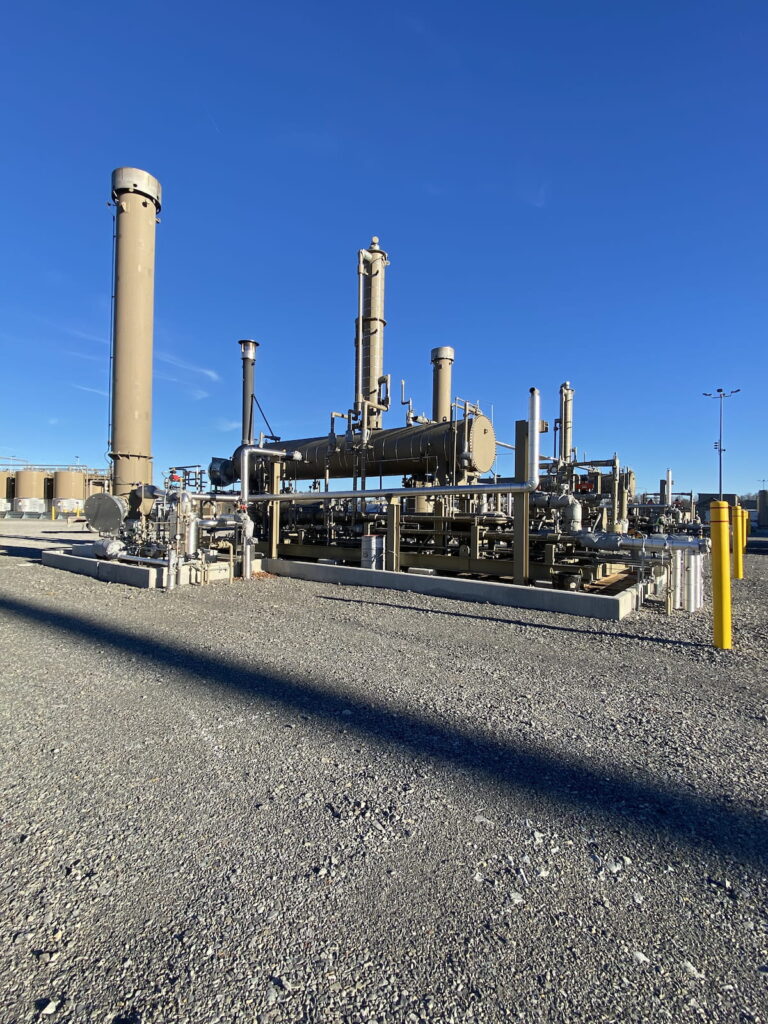
Why Preventive Maintenance Matters in Winter?
Proactive winterization and inspection significantly improve preventative maintenance outcomes. Identifying vulnerabilities before temperatures fall helps facilities avoid costly shutdowns and enhance operational stability.
Benefits include:
- Improved uptime
- Reduced emergency repairs
- Better energy efficiency
- Longer equipment lifespan
How TPS Supports Winter Operations?
TPS helps facilities stay online all winter by identifying cold-weather vulnerabilities and implementing targeted corrective actions. Support includes:
- Heat tracing and insulation checks
- Firetube and burner evaluations
- Circulation and temperature stability assessments
- Winterization recommendations for separators, glycol units, and heater treaters
Each system is designed for safe, effective operation, but winter requires proactive planning to maintain peak reliability.
With TPS, operators gain:
- Winter operation strategies
- System upgrades to reduce freeze events
- Insights that improve uptime and performance
Frequently Asked Questions
What causes most winter downtime?
When should facilities schedule winter maintenance?
Which equipment is most at risk?
Separator packages, glycol dehydration units, and heater treaters are required due to temperature-sensitive processes and fluid movement.