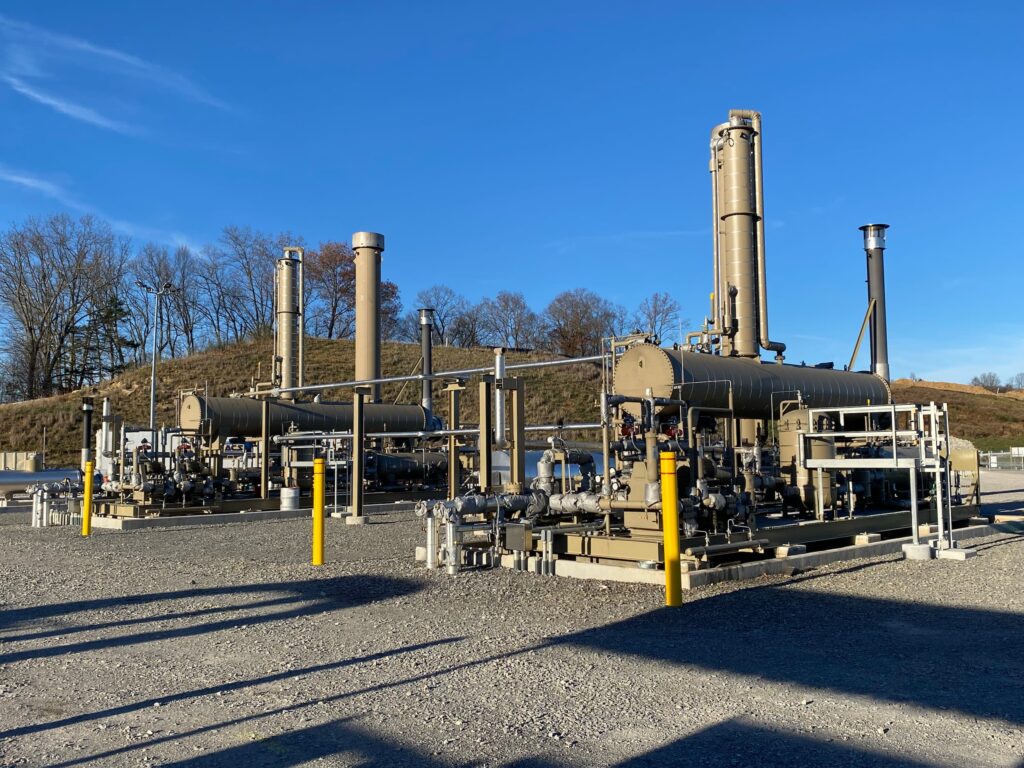
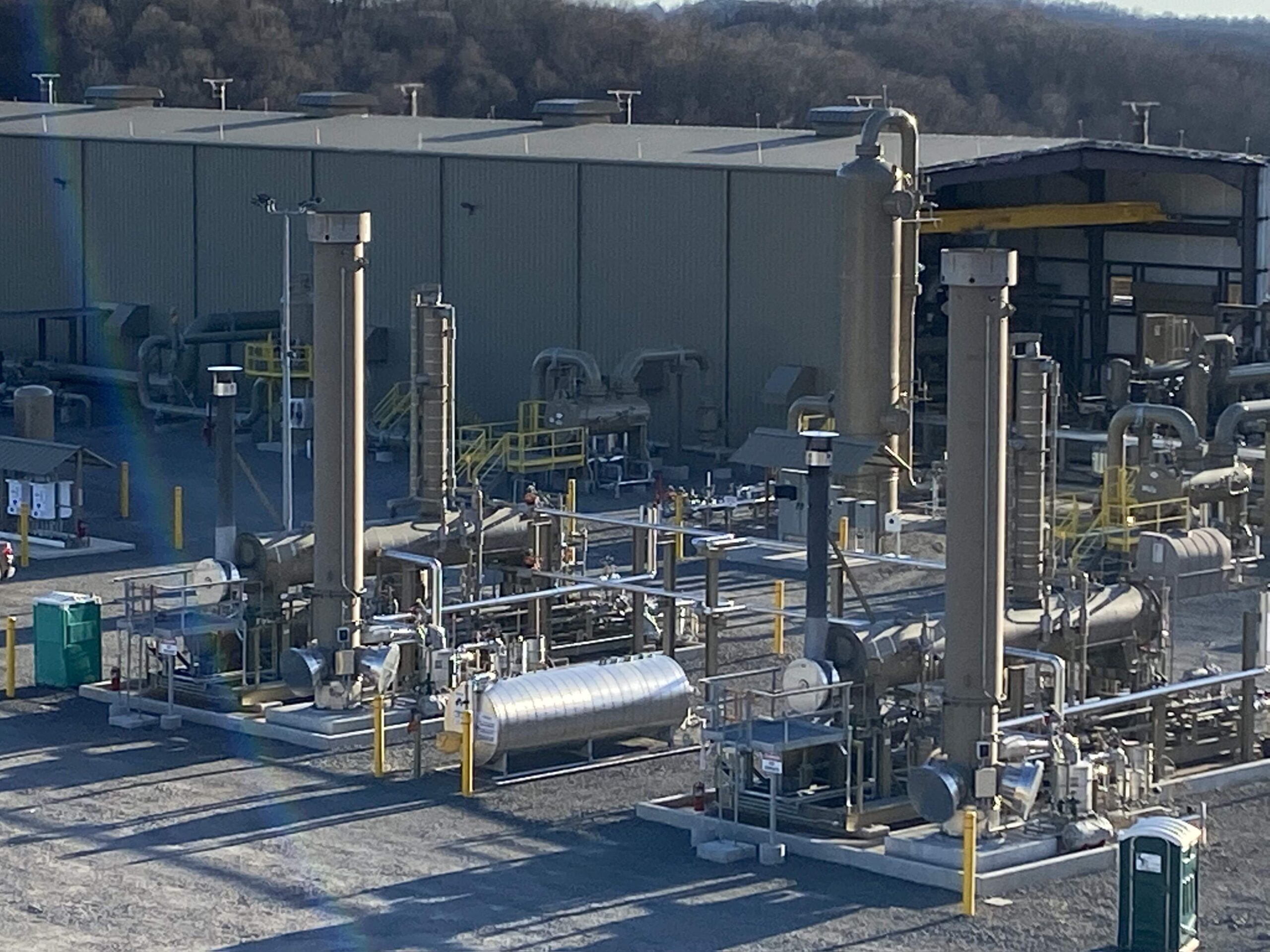
Direct Fired Heater
Direct Fired Heating
Powering Efficiency AND Fueling Productivity
A direct fired heater is a type of heating system where the heat source (usually a flame) directly heats the air that is then distributed to the desired area without an intermediate heat exchanger. In this system, fuel like natural gas, propane, or diesel is combusted, and the hot exhaust gases are mixed with the airflow before being directed into the space that needs heating. Standard features include intermittent spark ignition system with timed safety lockout and redundant gas valves. Units consist of a galvanized enclosure with an elevated gas burner which burns directly in the air stream. The burner consists of non-clogging, stainless steel combustion baffles attached to a aluminum gas supply section.
Direct Fire Heater Benefits​
- High Thermal Efficiency: Direct-fired heaters can reach nearly 100% thermal efficiency because the heat generated goes directly into the space without any losses through a heat exchanger. This efficient energy use reduces fuel consumption and overall operating costs.
- Rapid Heat Delivery: These heaters are very effective in delivering quick and intense heat, ideal for environments where fast temperature increases are needed.
- Ventilation Requirement: With fewer components, direct-fired heaters are simpler in structure. This straightforward design reduces the likelihood of mechanical failures and lowers maintenance costs, making them easier to repair and maintain over time.
- Lower Operating Costs: Direct fire heaters are generally more cost-effective than indirect heaters because they don’t require the added complexity of a heat exchanger.
- Quick Temperature Response: Direct-fired heaters can rapidly increase the temperature in a space, as they heat the air immediately without waiting for a heat exchanger to warm up. This quick responsiveness is advantageous in environments where fast heating is essential, such as construction sites or outdoor events.
- Adaptability in Airflow and Ventilation Requirements: Direct-fired heaters work well in large, open, or ventilated areas where air quality standards may not be as stringent. This adaptability allows them to be used in a wider range of applications, from large warehouses to open-air construction sites.
Direct Fired vs. Indirect Fired Heaters: Which Fits Your Industrial Needs?
Direct fired heaters use an open flame to heat air directly, delivering fast and highly efficient heat—often near 100% fuel efficiency—but require well-ventilated spaces due to combustion gases. Indirect fired heaters use a heat exchanger to separate combustion gases from the heated air, providing cleaner, contaminant-free heat ideal for enclosed or sensitive environments, though slightly less efficient. At Total Product Services, we help you choose the right solution to balance efficiency, air quality, and safety for your specific application, ensuring optimal performance and cost-effectiveness.
COMPARE OPTIONS WITH AN APPLICATIONS SPECIALIST
Why Use Direct Fired Heaters
- Multiple Parts: Indirect-fired heating systems include several components, which adds complexity and makes them less efficient compared to Direct-Fired Heaters.
- Rental Costs: The costs associated with renting an Indirect-Fired Heater are typically higher when compared to Direct-Fired heater options.
- Transportation: Indirect Heaters use over 80% of the combustion gases to heat the air but are larger in size, making them more difficult to transport and requiring additional logistical considerations.
- Complex Setup: These heaters operate on fuel sources such as oil or gas and also require electricity. Although they produce clean air, they need exhaust ventilation through a flexible tube that directs fumes outside to ensure safe operation.
Comprehensive solutions
Experience Total Product Services’ extensive line-up of comprehensive solutions, tailored for various industries. Trust our expert team to optimize your processes effectively. Reach out today to request a quote or learn more about our solutions.
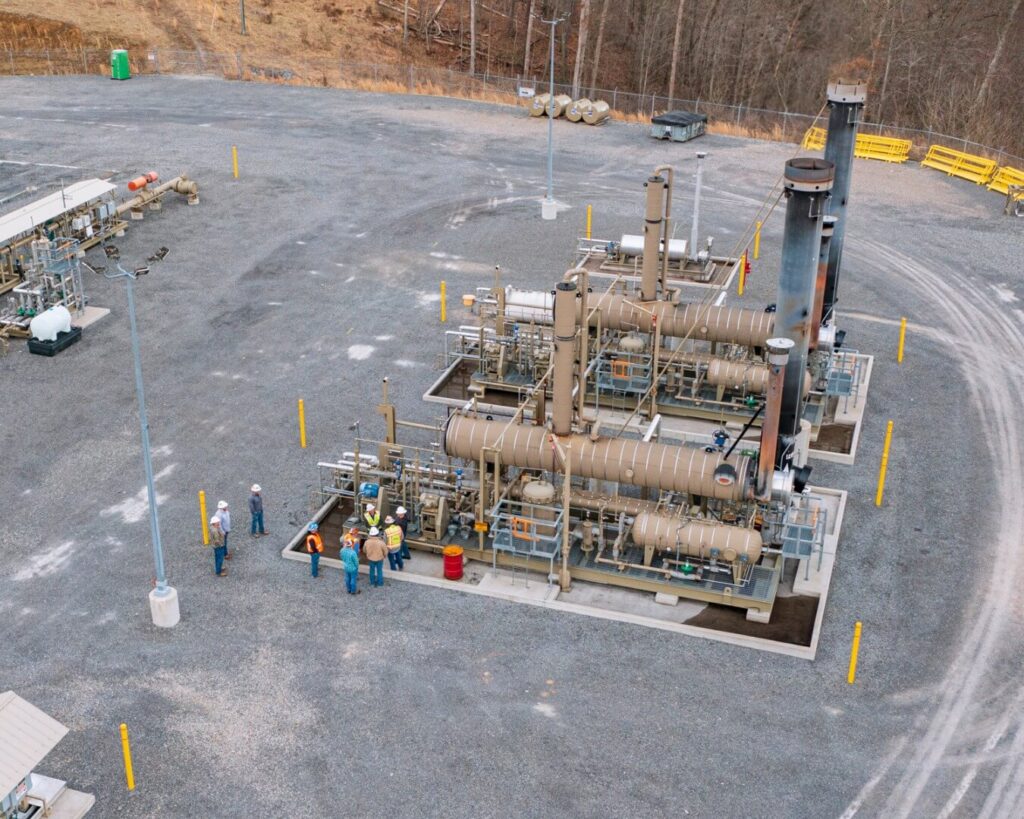
GAS PROCESSING, DEHYDRATION & FILTRATION​
- Glycol Dehydrators​
- Fuel Gas Conditioning Units (Simple Cycle/Combined Cycle)​
- Solid Desiccant Dehydration
- Gas Scrubbers​
- Filter Separators/Coalescers​
- Carbon Bed Filters​
LIQUIDS SEPARATION​
- Oil and Gas Separators
- Metering Separators
- Free Water Knockouts
- Condensate Coalescers
- Mechanical Treaters
- Crude Oil Stabilizers
HEAT TRANSFER (Oil Fired, Gas Fired, Electric)​
- Water Bath Heaters
- Steam Bath Heaters
- Salt Bath Heaters
- Helical Coil Heaters
- Convective Heaters
- Thermal Oxidizers
- Thermal Fluid Heaters
TPS PROJECT SNAPSHOTS
Glycol Dehy System Projects
Refurbishing Glycol Dehydration System
Installing New Glycol Dehydration System
Maintenance Check for Glycol Dehydration System
RESOURCES & COMMON FAQS
TPS specializes in tailoring Glycol Dehydration systems to cater to the unique requirements of various industries. Whether you’re in the oil and gas sector, petrochemicals, or manufacturing, our solutions can be customized to ensure precise moisture control for dry gas, meeting the specific needs and challenges of each industry.
TPS provides comprehensive services for the maintenance and optimization of Glycol Dehydration systems. Our expert team can conduct regular inspections, monitoring, and optimization to ensure long-term efficiency and reliability.
TPS is committed to staying updated with the latest Glycol Dehydration advancements and emerging trends. We actively explore innovations that enhance system performance, efficiency, and environmental compliance, ensuring that our clients benefit from the latest developments.
Services We Provide
Consulting &
Design
Startup &
Commissioning
Process Modeling & Optimization
Combustion Tuning &
Emissions Testing