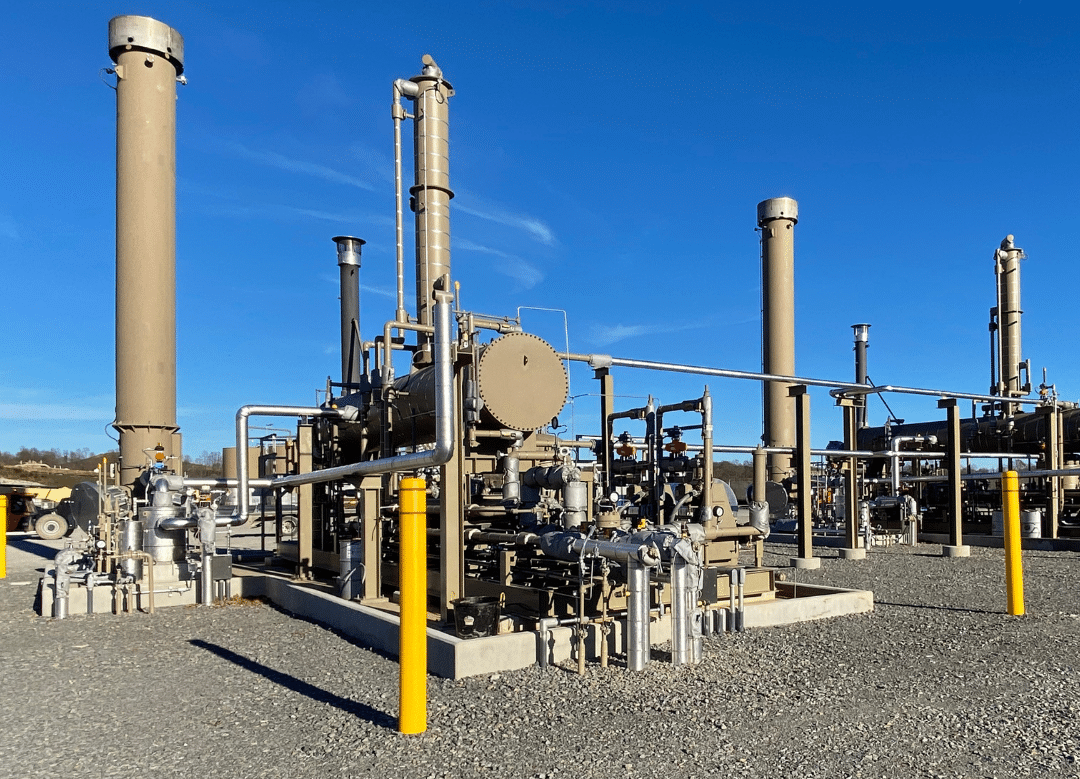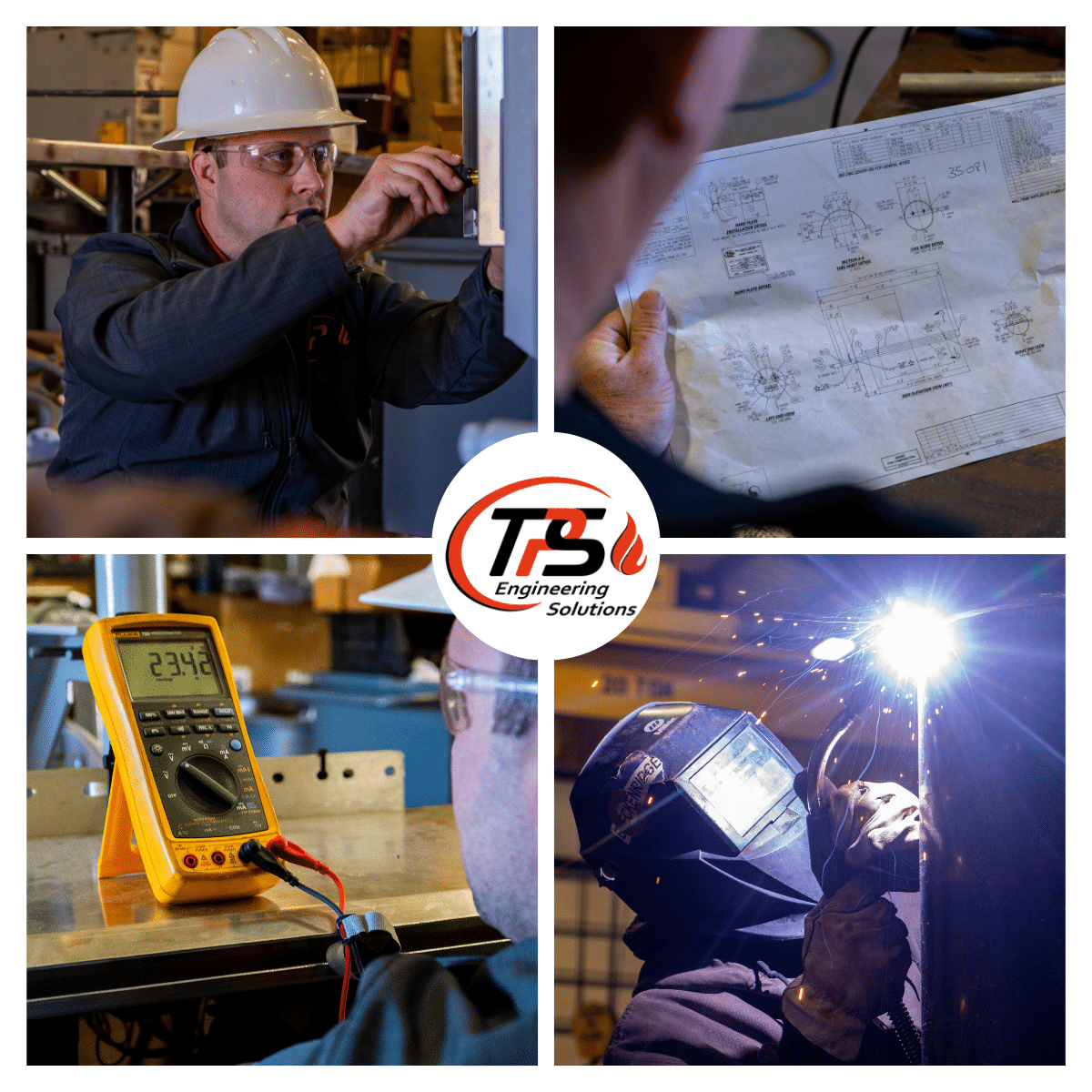
Throughout 2025, expert engineers, licensed engineers, and professional technicians provided technical guidance and hands-on support for energy and industrial facilities across the country. This work revealed practical lessons in operations, maintenance, and system optimization, offering insights into both common challenges and emerging oil and gas engineering trends.
This year-end engineering review highlights key observations that facilities can use to improve efficiency, reliability, and compliance, while offering a realistic look at what worked and what continues to challenge operations.
1. Small Adjustments in Combustion Deliver Noticeable Results
Combustion systems are often assumed to be running efficiently, but careful tuning frequently uncovers opportunities for improvement. Adjusting burner settings and air-fuel ratios led to more stable flame profiles, reduced NOx and CO emissions, and improved fuel efficiency in several projects. Even minor adjustments helped minimize unplanned shutdowns and enhance overall operational consistency.
For a closer look at how these changes improve system performance, the article What Is Combustion Tuning explains the process in detail. Additionally, Combustion Tuning & Emissions Testing Services provides a structured approach to maintain compliance while optimizing efficiency.
In practice, tuning is more than a single adjustment; it is a process that considers the system as a whole. When combined with monitoring and regular performance checks, combustion tuning becomes a critical tool for maintaining both reliability and compliance.
2. Most Operational Challenges Come from System Interactions
A recurring theme in 2025 was that many operational issues were not caused by individual parts but by how components interacted within the system. Mismatched equipment, drifting instrumentation, or outdated control logic often created instability during startup or routine operation.
Evaluating the full system helps identify root causes of recurring issues. Licensed engineers emphasize looking beyond immediate failures to understand how all components work together. For practical guidance, see Troubleshooting Oil and Gas Equipment, which outlines effective strategies for identifying and resolving complex system problems.
System-level analysis also helps facilities prioritize upgrades and preventive maintenance, avoiding repeated failures and costly downtime.
3. Modeling Improves Planning and Decision-Making
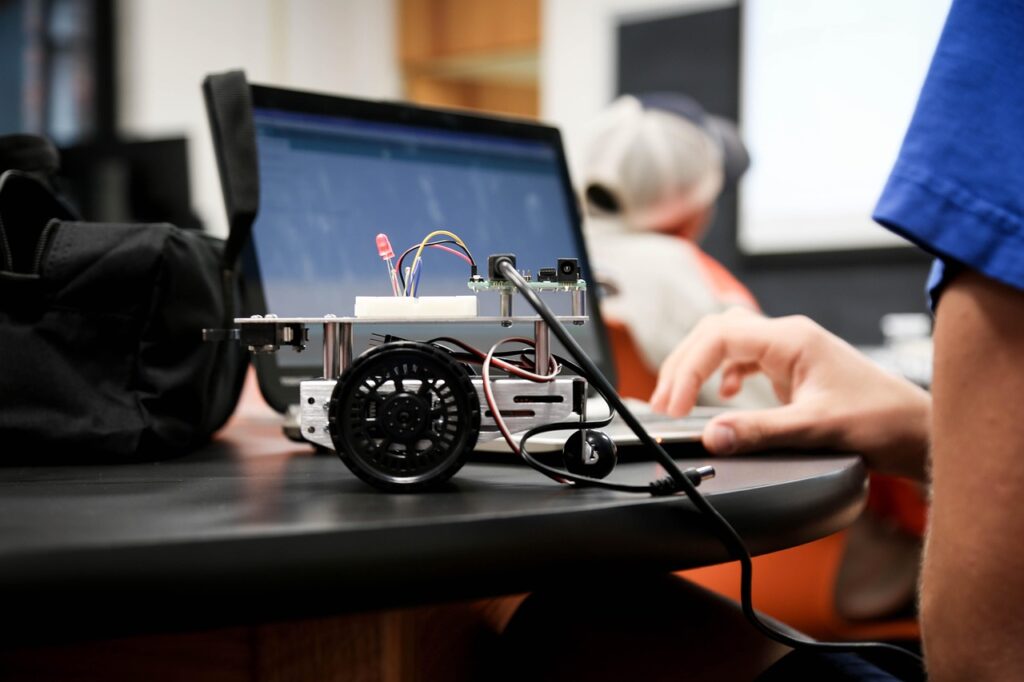
Process modeling has become an essential tool for predicting how changes will affect equipment and operations before implementation. Facilities using modeling can evaluate efficiency improvements, equipment performance, and operational reliability while reducing the risk of unexpected downtime.
Professional technicians and expert engineers rely on modeling to provide clear, data-driven insights. Predictive modeling allows facilities to test hypothetical changes in a controlled, virtual environment, giving decision-makers confidence before committing to adjustments or upgrades.
The benefit of this approach is particularly evident when planning for system expansions, implementing new equipment, or adjusting operating parameters to meet efficiency or compliance goals.
4. Commissioning Remains a Critical Step
Startup and commissioning are essential for ensuring systems operate safely and efficiently. Even with modern technology, gaps in commissioning practices remain a common source of problems. Issues such as incomplete sensor calibration, missed interlocks, and outdated documentation can result in operational instability and unexpected shutdowns.
Thorough commissioning, including proper operator training, helps prevent these issues. As equipment becomes more integrated and digital, structured commissioning practices ensure systems are ready for both current and future operational demands. Facilities that prioritize commissioning typically experience more reliable performance and fewer safety or compliance incidents.
5. Preparing for Emerging Trends in the Industry
Across multiple states, including industrial sites listed in the ODOC Industrial Sites PDF, operators are increasingly preparing for stricter emissions standards, aging infrastructure, advanced monitoring systems, and higher expectations for uptime.
These trends reflect the broader oil and gas engineering trends observed in 2025. Facilities are focusing on proactive maintenance, process optimization, and operational reliability rather than reactive problem-solving. By staying ahead of regulatory requirements and performance expectations, plants can maintain productivity and reduce unplanned downtime.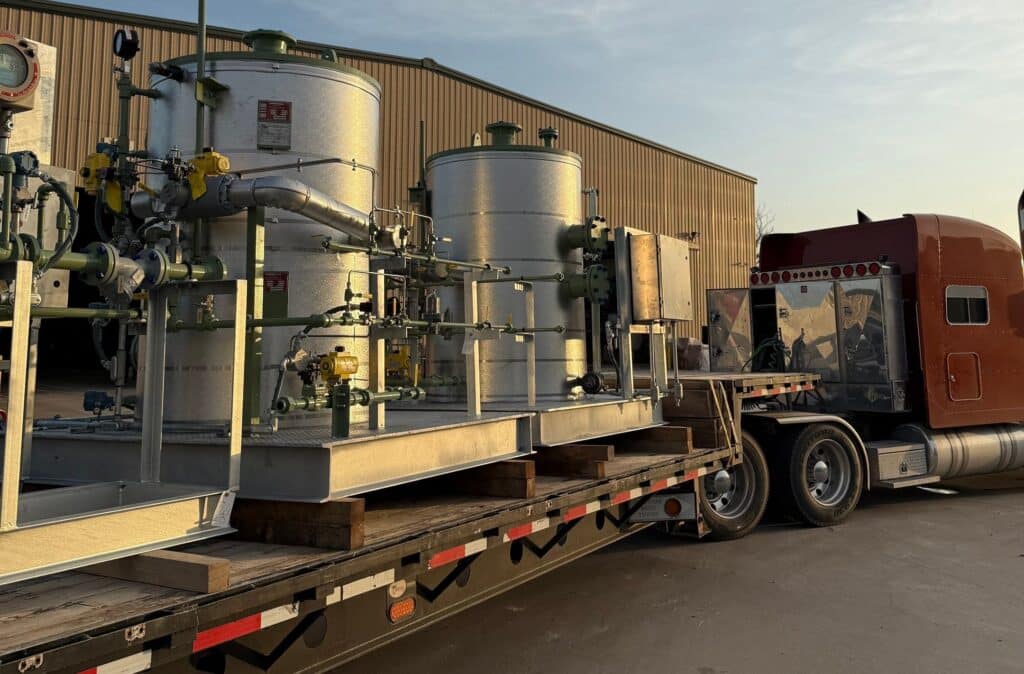
6. Practical Lessons for Facilities
Several consistent themes emerged from the 2025 field experience:
-
Regular Monitoring Matters – Routine checks of combustion systems, instrumentation, and control settings prevent small issues from becoming major problems.
-
System Thinking Improves Outcomes – Evaluating interactions across all components ensures that solutions address the root cause, not just the symptoms.
-
Predictive Tools Support Smarter Decisions – Modeling and data analysis provide clarity when planning upgrades or process changes.
-
Proper Commissioning Reduces Risk – Structured startup procedures and operator training ensure systems are ready for long-term operation.
-
Preparation for Change Pays Off – Facilities that plan for regulatory, operational, and efficiency challenges achieve better results.
These lessons highlight that even small, consistent improvements can lead to measurable performance gains and long-term reliability.
Looking Ahead to 2026
As facilities move into 2026, attention is on consistent performance monitoring, timely upgrades, and proactive system management. Maintaining combustion systems, optimizing processes, and completing thorough commissioning are essential to achieving reliable, efficient, and compliant operations.
Total Product Services offers technical consulting, startup and commissioning, process modeling, and combustion tuning support. Their licensed engineers and professional technicians provide structured, practical solutions designed to strengthen facility performance while meeting regulatory requirements.